 Share
Share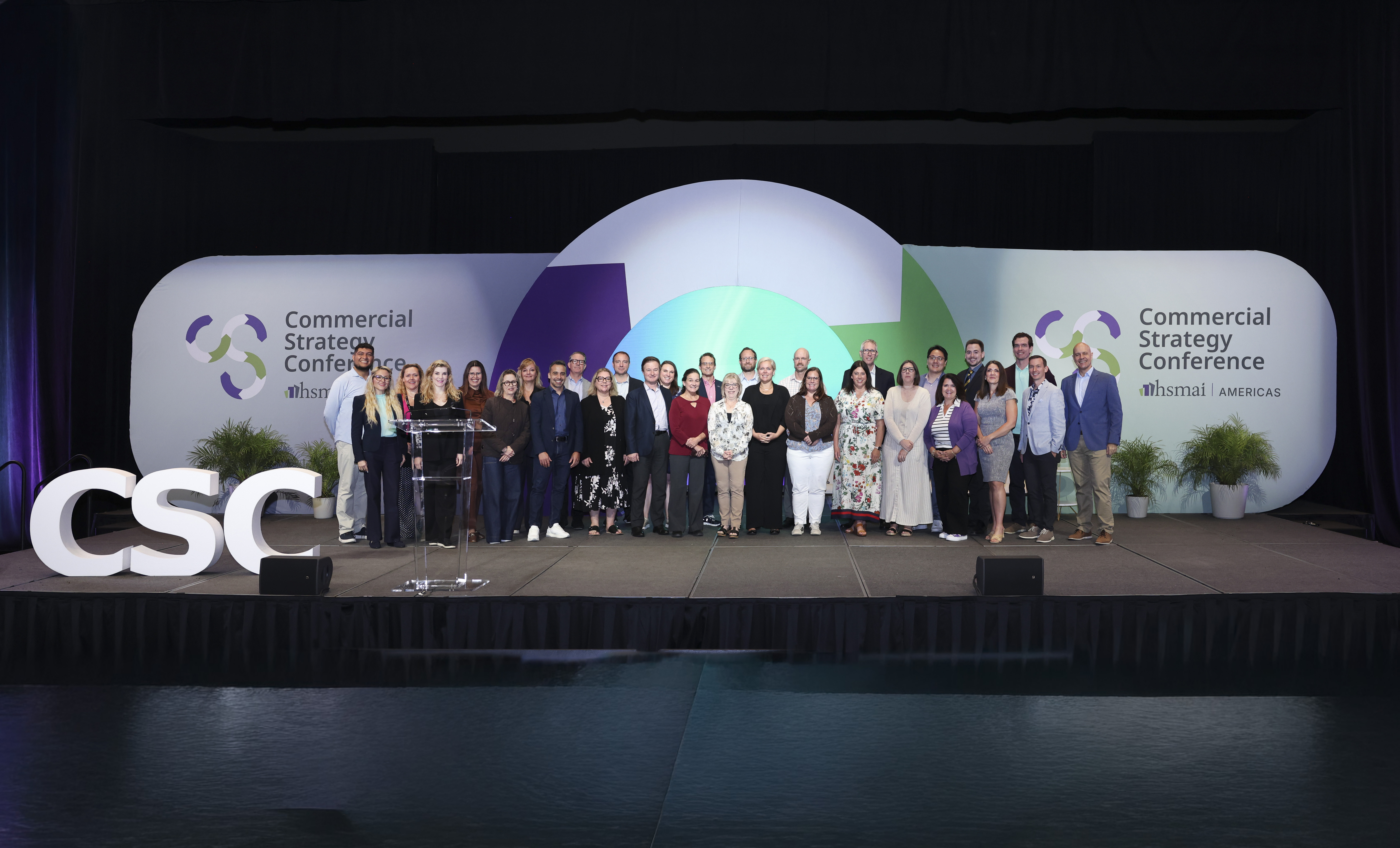
A few weeks ago in San Antonio, over 1,000 hospitality commercial professionals attended the HSMAI Commercial Strategy Conference 2026. One theme of the conference was that commercial strategy is moving upstream into discovery, recommendation, and influence.
Here are ten actions to take now.
- Expand your lens beyond traditional search
Test how your properties appear in AI tools, not just search engines.
Why it matters:
Customer discovery is shifting upstream.
Decisions are increasingly shaped before a traveler ever reaches traditional search.
- Treat AI Visibility as a Cross-Functional Priority
Align marketing, revenue, distribution, and tech around AI-driven demand capture with shared ownership.
Why it matters:
No single team owns this. Execution fails without a common language and shared goals.
- Reframe distribution strategy around decision influence.
Re-evaluate your distribution strategy based on where decisions are influenced, not just where bookings are processed.
Why it matters:
Control is moving to recommendation layers, not booking endpoints. This will give you more pricing power, better partner strategy, and stronger long-term positioning.
- Run Small, Controlled Experiments—Now
Pick 1–2 priority areas (AI, pricing, or distribution) and launch controlled testsimmediately.
Why it matters:
Waiting for perfect information slows progress, while structured experimentation accelerates learning.
- Track Both Visibility and Conversion
Measure both:
-
- Output metrics (e.g., AI mentions, rankings)
- Outcome metrics (e.g., conversion, revenue)
Why it matters:
New channels require new measurement frameworks. Visibility without conversion is noise; conversion without visibility is fragile. This will give you clearer ROI, better prioritization, and fewer blind spots in decision-making.
- Recalculate True Cost of Acquisition
Fully load channel costsincluding fees, commissions, and marketing and evaluate net contribution.
Why it matters:
Topline revenue can mask margin erosion, especially as distribution becomes more complex. The impact will be improved profitability, smarter channel mix, and stronger negotiations with partners.
- Build a Single Commercial Operating System
Align teams around shared KPIs, unified data, and one version of the performance story.
Why it matters:
Fragmented decision-making still exists, even in organizations that consider themselves integrated. Alignment will lead to faster decisions, fewer internal conflicts, and more consistent performance across the portfolio.
- Scale Best Practices Across the Portfolio
Codifyplaybooks, tools, and insights that work and push them across properties.
Why it matters:
Leading organizations are no longer optimizing hotel by hotel, they’re scaling capability.
- Build Systems That Reduce Decision Fatigue
Simplify workflows, standardize processes, and create space for recovery and focused decision-making.
Why it matters:
Performance degrades under sustained pressure. Without strong systems, teams default to reactive behavior. The impact will be better decision quality, more sustainable execution, and stronger team performance over time.
- Shorten the Distance Between Insight and Action
Convert insights into 30-day action plans with clear ownership and defined outcomes.
Why it matters:
The industry doesn’t have an idea gap, it has an execution gap. The advantage now belongs to teams that can turn insight into action, consistently and quickly.