Doing More with Less: Navigating Talent Challenges in Distribution

Andrea Daniels, Global Director, Distribution Partnerships & Strategy – Commercial & Technology, IHG Hotels & Resorts*, HSMAI Global Distribution Advisory Board Member  

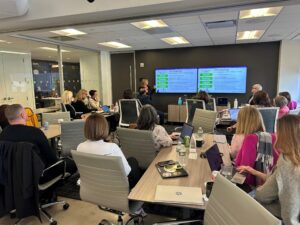
Hotel distribution faces major challenges in talent management post-pandemic. This topic was brought to the HSMAI Global Distribution Advisory Board to discuss diverse strategies to address these obstacles and how to promote growth in distribution roles. 

Internal vs External Hiring 

Some members emphasized the advantage of internal hiring, noting that employees transitioned from the central reservation office or guest services team, for example, have demonstrated higher retention rates compared to external hires. This preference underscores the importance of internal mobility and leveraging existing talent pools to maintain team stability. While others talked about the complexities of external hiring and implementing a structured in-office schedule to manage expectations and prevent disparities among different teams. 

Remote Work: Boon or Bane? 

The shift towards remote work has had a profound impact on distribution teams. Some members shared their organization’s approach to remote hiring, limiting new hires to states where they have operational hotels. This strategy allows for greater flexibility while ensuring compliance with regional employment regulations. However, the push by many companies to revert to in-office work poses a significant challenge. Members noted that such mandates could deter potential talent who prioritize flexibility. 

There was discussion about the delicate balance between operational needs and employee preferences. While some team members voluntarily return to the office for the camaraderie and collaborative environment, talent in technical roles often want to remain remote due to the nature of their work. 

Opportunities for Growth and Career Advancement 

A recurring theme in the discussion was the limited upward mobility within distribution roles. Some members observed that in smaller organizations, vertical growth opportunities are scarce, often leading talented individuals to seek advancement outside their current roles. This lack of clear career pathways can result in decreased job satisfaction and higher turnover rates. Another question asked was, “How many SVPs of distribution are out in the industry?” There is a realization that this role doesn’t exist in most cases and that at this level Distribution is combined with other roles such as Revenue Management, Sales, Commercial, etc.   

Effective training programs are crucial for maintaining a competent and adaptable distribution team. However, many organizations lack dedicated resources for ongoing training. This led to a conversation on the importance of certification and continuous education, noting that trained employees are more efficient and confident in their roles.  

Participants discussed how the decline in hospitality school enrollments poses a long-term threat to the industry’s talent pipeline. They advocate for integrating distribution-focused curricula within hospitality programs to better prepare graduates for the complexities of distribution roles. Collaborative efforts with educational institutions and industry organizations like HSMAI and HEDNA can also help bridge the training gap. 

Summary:  

Our discussion pointed to the major challenges in talent management within hotel distribution, emphasizing the importance of internal hiring, the impact of remote work, and the limited opportunities for career advancement. It also highlighted the need for effective training programs and collaboration with educational institutions to address the industry’s talent pipeline concerns.  

Questions for your team:  

  1.  How can we enhance our internal hiring processes to leverage existing talent pools and improve retention rates? 
  2. What strategies can we implement to balance the operational needs with employee preferences for remote work, especially for technical roles?
  3. How can we create clear career pathways and opportunities for growth within our distribution roles to reduce turnover and increase job satisfaction? 

* This article reflects the collective views of the individual HSMAI Global Distribution Advisory Board members, and not the views of the author alone or of IHG Hotels & Resorts.  

Next-Level Contact Centers: Boosting Team Dynamics and Operational Excellence 

Megan Becker, Manager of Hiring and Training, Reservations, Hershey Entertainment & Resorts Company, Steering Committee Vice Chair, HSMAI Contact Center 

Stephanie Davis, Team Leader, Sales Support, Accor, Steering Committee Member, HSMAI Contact Center SIG 

During a Contact Center SIG session focused on Team & Agent Dynamics and Operational Excellence, industry professionals from organizations such as Hershey Entertainment & Resorts, Accor, IHG, Rosewood Hotels & Resorts, and others gathered to share their experiences, challenges, and strategies in managing contact centers effectively. The discussions revolved around enhancing agent engagement, improving quality assurance (QA), and optimizing operational workflows. 

  1. Evolving Quality Assurance Practices

One SIG member introduced a transformative approach to QA, emphasizing the “Art of the Interaction.” Instead of relying solely on rigid checklists, this method incorporates a more flexible scorecard that focuses on themes such as: 

  • Art of Listening: Ensuring agents genuinely understand and respond to guest needs without making assumptions. 
  • Art of Simplicity: Keeping interactions straightforward to avoid overwhelming guests. 
  • Art of Advocacy: Encouraging agents to work proactively towards solutions that benefit the guest. 

This approach aims to move away from checkbox evaluations towards a more holistic assessment of agent performance, fostering better guest experiences. 

 2. Balancing Revenue Generation with Service Quality

One participant highlighted the challenge of balancing high revenue generation with maintaining quality interactions. They shared experiences where top revenue-generating agents sometimes underperform in service quality during non-sales calls. To address this, the manager emphasized the importance of integrating quality metrics with revenue incentives to ensure agents focus on both aspects. 

Another representative from a hospitality company echoed similar concerns, noting that while top performers excel in revenue, their performance on “shop calls”—interactions that don’t result in bookings—may suffer. This discrepancy poses a challenge in maintaining overall service quality without compromising revenue goals. 

 3. Innovative Engagement and Coaching Strategies

The group discussed the implementation of a Career Development Hub, which includes day-in-the-life videos and skill-building resources. This initiative empowers agents to take ownership of their career paths and encourages continuous professional growth. 

Representatives from other organizations shared their approaches to cross-training and coaching. One company is developing a unified coaching framework to standardize coaching practices across different teams, while another has implemented cross-coaching, allowing agents to observe and learn from other departments. These strategies aim to enhance agent versatility and foster a collaborative work environment. 

 4. Addressing Staffing Challenges in Smaller Contact Centers

Managing staffing, especially for less desirable shifts like nights and weekends, presents unique challenges for smaller contact centers. Participants shared various strategies to tackle these issues: 

  • Hiring Part-Time Agents: Emphasizing the effectiveness of hiring part-time agents to cover specific shifts, allowing full-time agents to maintain preferred schedules. 
  • Shift Differentials: Mentioning the use of additional pay for undesirable shifts to incentivize agents, although this approach has had limited success in reducing turnover. 
  • Flexible Scheduling and Floaters: Highlighting the use of floaters—agents trained to manage multiple accounts and shifts as needed. This flexibility helps maintain coverage without overburdening full-time staff. 

 5. Leveraging Technology for Compliance and Efficiency

Another participant discussed the importance of maintaining PCI compliance by avoiding direct credit card handling during reservations. This shift has led to concerns about reservation security and potential increases in cancellation rates. To mitigate these issues, organizations are exploring AI-driven solutions to streamline processes and enhance compliance without compromising customer experience. 

    5 Key Takeaways: 

       1. Transform QA Practices: Move from rigid checklists to a more flexible, interaction-focused evaluation system. 

       2. Balance Metrics: Integrate quality service metrics with revenue incentives to ensure comprehensive agent performance. 

       3. Foster Career Growth: Implement career development hubs and cross-training programs to promote continuous professional development. 

       4. Optimize Staffing: Utilize part-time agents, shift differentials, and floaters to manage staffing challenges effectively. 

       5. Ensure Compliance: Leverage technology and AI solutions to maintain compliance and enhance operational efficiency. 

The Rise of the Bleisure Traveler

Emily Peck, CRME, Corporate Director of Revenue, Kampgrounds of America, Inc., HSMAI Rising Leader Council Member 

Bleisure travel reflects the trend where professionals are extending their work trips to get some extra time to explore and relax…blending business and leisure. Combining business trips with leisure activities helps employees maintain a healthier work-life balance, reducing stress and burnout. Employees who can explore new destinations and enjoy leisure activities during business trips often report higher job satisfaction, better mental health, and improved productivity. 

The frequency of this type of trip has grown immensely following the pandemic, and research indicates this market is expected to grow by around 500% or more over the next decade. Based on this anticipated continued growth, it is crucial that rising leaders in the industry – who are very likely partaking in the trend itself – understand its impact on travel patterns, guest expectations, and opportunities to leverage these guests to drive revenue growth. To accommodate the growing bleisure trend, hotels and unique stay providers such as campgrounds should consider the following: 

  1. Flexible Booking Options: Offering flexible booking policies that allow guests to easily extend their business trips to add leisure time without burdensome hoops to jump through. 
  2. Amenities and Services: Providing and promoting amenities that cater to both business and leisure needs is crucial. This includes high-speed internet, comfortable workspaces, leisure facilities like pools and gyms, and concierge services that can assist with local leisure activities. 
  3. Special Packages: Creating special packages that combine business and leisure elements can attract bleisure travelers and generate repeat business. These packages might include discounts on extended stays, complimentary breakfast, or vouchers for local attractions. 
  4. Location and Accessibility: Hotels should emphasize their proximity to both business districts and popular leisure destinations. Easy access to transportation and local attractions can make a hotel more appealing to bleisure travelers. 
  5. Marketing and Communication: Effective marketing strategies that highlight the  property’s suitability for bleisure travel can attract more guests. This includes showcasing testimonials from previous bleisure travelers and promoting the property’s amenities and services that cater to this demographic. 
  6. Partnerships with Local Businesses: Collaborating with local businesses and attractions to offer exclusive deals or experiences can enhance the bleisure experience for guests. 

As remote work and flexible schedules become more prevalent, bleisure continues to appeal to employees and as such present a unique guest segment to leverage. Properties that are strategic in their approach to attracting bleisure guests now will continue to benefit from revenue growth as the segment expands over the next several years. 


Further Reading 


Questions for Your Team 

  1. As Rising Leaders in the prime bleisure demographic, what are the key factors that impact your likelihood to take a bleisure trip? What specific amenities or services do you think are most attractive for a bleisure traveler? Is there a change that needs to be made in how we revenue manage those offerings?  
  2. What role does technology play in capitalizing on bleisure travel trends, and how can we integrate tech solutions to boost guest satisfaction, length of stay and revenue? 
  3. How does the role of segmentation shift as the purpose of a trip becomes more blurry? 
  4. Looking forward, based on anticipated 500% growth in this type of travel, what future trends do you foresee in evolving in bleisure travel? How can we adapt revenue strategies to stay ahead of these trends? 

HSMAI Perspective: Looking Ahead

Brain Hicks, President and CEO, Hospitality Sales & Marketing Association International (HSMAI)    

As we begin 2025, I am filled with optimism and anticipation as I find my stride as the President and CEO of HSMAI. The year ahead promises to be one of change but also growth. I have no doubt the organization will thrive in the coming years as we both honor and embrace the amazing legacy and strategic direction that Bob Gilbert established. The year will be filled with outstanding celebrations, networking, and education opportunities.  

I’d love to see you at the Adrians Award Celebration on February 18th at the Marriott Marquis, New York City. It’s a wonderful opportunity to recognize outstanding work in the industry and network with peers. The competition has always been a showcase and benchmark of best practices in hotel and travel-related marketing and media. We also recognize career achievement and the top 25 extraordinary minds awards.   

Later in the year we will build on the success of last year’s Commercial Strategy Conference, where we sold out. We fully expect to exceed last year’s attendance at the 2025 HSMAI Commercial Strategy Conference June 17th-18th in Indianapolis. It would be wise to save your spot early before we reach capacity. Keynote speakers and breakout sessions will cover leadership, sales, marketing, and revenue optimization strategies and tactics, and business planning.  

In the second half of the year, we will bring you the Curate Executive Insight Forum and Sales Leader Forum, both in Chicago, November 13th & 14th 

Right now, I am attending the Commercial Strategy Conference at HSMAI Europe. Explore similar exciting events happening around the globe throughout the HSMAI regions. There are opportunities to learn, connect, and celebrate with HSMAI no matter where you are! 

Education and certification will continue to be a priority in 2025. With the rapid pace of technological advancements, staying current with the latest skills and knowledge is crucial. I personally am excited to deepen my knowledge through the HSMAI Foundation’s upcoming research. First there is the specially commissioned white paper on AI and talent. And then in quarter two, the annual publication on the State of Talent.  

The economic outlook for 2025 is promising, with hospitality leaders expressing strong confidence in both national and regional economies. I have similar confidence in HSMAI’s year ahead. Our success wouldn’t be possible without you. Thank you for your dedication and support, it makes HSMAI the vibrant community it is.  

Cheers to a prosperous 2025!  

Key Drivers of Change in the Hotel Industry for 2025

Insights from across HSMAI’s Advisory Boards highlight several influential forces shaping the year ahead in hospitality. By learning from these innovators, hotel professionals across all commercial functions can adopt strategies that enhance guest experiences, leverage advanced technology, and adapt to evolving market dynamics. 

Major Hotel Brands are investing in commercial strategy, personalized experiences, robust loyalty programs, and dynamic pricing models. By focusing on guest-centric innovations, seamless technology adoption, and leveraging scale for strategic advantage. 

Alternative Accommodation Models are redefining travel experiences with their focus on personalization, flexibility, and unique offerings. By curating local partnerships and distinctive experiences, these providers appeal to modern travelers seeking more than just a place to stay. Hotels can differentiate themselves by incorporating local culture and offering bespoke experiences that cater to evolving traveler desires. 

Tech Giants are offering technology that is transforming hotels at all levels. From AI-powered advertising and data analytics to enhanced customer engagement tools, embracing these technologies allows hotels to harness data effectively, personalize guest interactions, and improve overall efficiency.  

Boutique and Lifestyle Brands are setting themselves apart through compelling narratives and personalized service offerings. Developing a strong brand identity not only attracts niche markets but also fosters loyalty among guests.  

Hotel Technology Providers are advancing AI/ML capabilities to enhance revenue optimization and data-driven decision-making within the industry. Hotels that embrace these tools can better predict market trends, optimize pricing strategies, and make informed marketing and operational decisions.  

OTAs partnerships can offer substantial benefits, including extensive marketing budgets and sophisticated booking systems, it’s crucial for hotels to enhance direct booking channels. To balance OTA partnerships, it’s important to improve direct booking channels through improved user experiences. 

Consumer-Driven Innovation from industries beyond hospitality, such as retail and entertainment, are influencing hotel strategies with their edge in personalization, data-driven insights, and seamless customer journeys. By learning from adopting best practices from these sectors, hotels can inspire new ways to engage guests, create strong brand connections, and deliver tailored experiences.  

Rising Independent and Hybrid Brands are offering innovative urban and niche accommodations with a focus on flexibility and modern guest preferences. To keep pace, hotels can explore agile models and creative offerings to cater to emerging travel trends. 

Forward Thinking Leaders emphasize the importance of a flexible approach to anticipate and lead industry shifts. Cultivating a culture that embraces change and encourages continuous learning ensures that all commercial functions remain relevant and effective in a changing market. 

Cross-Industry Influences such as airlines, theme parks, and even retail, are innovating with their loyalty programs packaging experiences, and creating strong brand connections. Learning from these sectors can inspire us to reimagine guest engagement, unbundling strategies, and brand positioning. 

By understanding and learning from these key drivers of change, you can navigate the complexities of 2025 with confidence.  

8 Revenue Optimization Trends and Challenges for 2025

Revenue Optimization is poised for significant transformation in 2025, as insights from HSMAI’s Revenue Optimization Advisory Board highlight emerging trends and pressing challenges. Hotel revenue leaders are tasked with embracing advanced strategies and technologies to maintain competitiveness in an increasingly dynamic business environment. Below, we explore the critical trends and challenges shaping revenue optimization over the next few years.

1. AI and Machine Learning

AI and machine learning (ML) are revolutionizing dynamic pricing, demand forecasting, and decision-making. However, practical adoption remains a challenge as leaders strive to balance automation with essential human oversight.

2. Personalization and Guest Expectations

Guests increasingly expect personalized pricing and booking experiences. Revenue strategies must also adapt to emerging traveler demands for hyper-localized and experiential offerings, which require seamless pre-arrival and post-reservation interactions.

3. Total Revenue Optimization

Expanding beyond room revenue, hotels are focusing on ancillary services such as food and beverage, spas, and curated experiences to maximize overall profitability. This holistic approach mirrors strategies employed by other industries like airlines.

4. Evolving Distribution Landscape

The proliferation of online travel agencies (OTAs), affiliate networks, and omnichannel distribution creates challenges in managing channel costs and maintaining rate parity. Optimizing channel profitability while improving direct booking experiences is critical.

5. Economic Pressures and Rising Costs

Inflation and labor cost increases are narrowing profit margins, necessitating a shift from revenue growth to profitability-focused strategies. Simultaneously, fluctuating economic conditions and uneven demand patterns complicate forecasting and budgeting.

6. Workforce and Talent Gaps

Recruiting, retaining, and upskilling skilled professionals in revenue management remain significant challenges. Workforce shortages and evolving expectations around work-life balance further intensify the issue.

7. Technology Integration and Data Fragmentation

Revenue management systems are advancing but often struggle with integrating alternative data sources and consolidating fragmented information. Hotels need to adopt platforms that enable seamless connectivity and actionable insights.

8. Regulatory and Ethical Considerations

New regulations on fee transparency and data privacy laws are reshaping pricing strategies. Additionally, ethical concerns surrounding AI usage and data management demand responsible implementation. 

Underlying all the trends is the fact that revenue optimization is no longer a siloed function but a critical component of a hotel’s overall commercial strategy.  

Clickworthy: Apps Our Marketing Advisory Board Can’t Live Without

These favorite apps, curated by our Marketing Advisory Board, reflect a diverse range of tools and platforms that support productivity, entertainment, and daily living. From knowledge management to travel solutions, this list highlights the apps and tech* our experts rely on. 

Knowledge Management 

  1. Me.bot – A personal assistant app for knowledge management, helping you organize and access information efficiently. 
  2. Roam Research – A note-taking tool designed for networked thought, ideal for managing complex ideas and research. 
  3. Gemini – A collaborative knowledge management platform to streamline idea sharing and organization. 
  4. Tactiq – A tool for transcribing and organizing meeting notes, helping teams stay aligned. 
  5. Crouton – A recipe management app that lets you organize and share culinary ideas effortlessly. 

Shopping 

  1. Product Hunt – A platform to discover new and trending products in tech, lifestyle, and more. 
  2. Amazon – The go-to e-commerce platform for shopping a wide variety of products. 
  3. Dupe.com – A shopping app specializing in finding affordable alternatives and deals. 

Entertainment and Discovery 

  1. TikTok – A video-sharing app featuring a mix of educational and entertaining content. 
  2. Spotify – A music and podcast streaming platform offering a mix of entertainment and learning opportunities.
  3. Crayola App – A creative app offering digital drawing and coloring activities for all ages. 
  4. INaturalist – A nature observation app for identifying plants and animals and contributing to global research. 

Travel 

  1. SpotHero – A parking reservation app to help you find and book spots in advance. 
  2. United Airlines – The official app for United Airlines, enabling booking, check-in, and travel updates. 
  3. PlaneAware – A flight-tracking app providing real-time updates on flights worldwide. 

Food & Beverage (F&B) 

  1. Starbucks – Manage orders, rewards, and payment with this official app from Starbucks. 

Personal Finance 

  1. Splitwise – A bill-splitting app to simplify sharing expenses with friends and family. 
  2. Empower – A personal finance app that helps you budget, save, and manage your money effectively. 

Career 

  1. LinkedIn – A professional networking app for career development, job searching, and industry news. 

Health 

  1. ClassPass – A subscription-based app offering access to fitness classes and wellness appointments. 
  2. Apple Fitness – Tracks fitness activities, health metrics, and workouts through the Apple ecosystem. 
  1. Garmin Watch – A health and fitness wearable with apps for tracking exercise, sleep, and more. 

Sports 

  1. Gamechanger – A sports management app designed for tracking scores, stats, and live updates. 
  2. ESPN – A sports app for live scores, news, and updates across major leagues. 

*Please be advised that HSMAI does not provide any endorsement or recommendation for the products listed.  

Top 5 Takeaways from Curate 2024, Beyond the Buzz: Turning AI Hype into Results

HSMAI’s 2024 Curate brought together industry leaders to explore the transformative potential of artificial intelligence (AI) and how to move beyond the hype to achieve meaningful results. In her role as emcee, Staci Mellman set the stage for thought-provoking discussions and expertly guided the day’s sessions.  

Staci also curated these top five takeaways, offering a clear and actionable roadmap for integrating AI into your organization with purpose, responsibility, and impact. From strategic planning to addressing ethical concerns, these insights ensure you’re prepared to turn AI buzz into tangible results. A special thanks to Staci for her leadership, energy, and thoughtful contributions to this inspiring event! 

1. Strategic AI Implementation is Key 

Most of our businesses aren’t AI-native, so successful implementation and adoption will take work. Like any transformational decision, rushing AI implementation is not the answer. Start by clarifying your goals, identifying who you aim to serve, and building stakeholder support across the organization to ensure alignment and collaboration. 

2. Plan Ahead for GenAI Success 

GenAI can revolutionize several business dimensions, but strategic planning is critical. First, educate your organization about what GenAI is, how it works, and the value it brings—engagement grows when people feel the impact. Second, plan for scalability, but start small. Build a centralized AI hub and roll out projects one by one, demonstrating success to build momentum and gain support. 

3. Address AI’s Paradigm Shift Thoughtfully 

AI represents a major shift, bringing both opportunity and responsibility. Key concerns to manage include ethical bias, regulatory compliance, transparency, human oversight, workforce changes, accuracy, environmental impact, and dependency on providers. These challenges will evolve as AI does, so staying informed and proactive is essential for responsible implementation. 

4. Cut Through the AI Noise 

With AI projected to reach $826 billion by 2030 and tens of thousands of startups in the space, the options can be overwhelming. Focus on tools that align with your business goals. Build a coalition to research and test solutions, lean on trusted sources for insights, and prioritize what delivers real value to your organization. 

5. Integrate AI With Your Data to Stay Competitive 

To unlock AI’s full potential, connect it with your organization’s internal and external data. Break down silos and create a centralized system that aggregates and enriches data for better customer insights. Leverage tools like RAG AI and Vector databases to store and analyze information effectively. By doing this, you’ll not only meet but exceed customer expectations, fostering loyalty and gaining a competitive edge. 

Curate is an exclusive benefit for Organizational Member companies of HSMAI.

Thinking Like an AI Native

Hari Abburi, CEO The Fast Future Executive, helped attendees reimagine business to be AI first – across customers, enterprise and ecosystem. He asked the question, what if your business was born in 2030? This talk will gave attendees a framework to build specific use cases of technology and focused us on how value is created with an AI centric business approach. 

SLIDES: Thinking Like and AI Native Slides

Case Studies

  • Dhiren Fonseca, Advisor, GetPica: “Capture the World, Share the Experience” 
    • SLIDES:  coming soon
  • David Evans, GVP Media, Agile Solutinos,ZetaGlobal:“ Red Roof Case Study” 
  • Jason Noronha, CEO, D3x: “Automating Customer Service with AI” 
  • Dawn Briggs, Senior Director, Global Strategic Partnerships, Sojern: “Group Posadas and AI Concierge” 

Travel in the Age of AI

In this session, McKinsey’s Alex Gersovitz and Bryce Hall discussed the transformative potential of gen AI in travel.

Slides unavailable.  

Sales Effectiveness at Scale 

Sean Moran, partner at ZS, explored how companies can multiply their field force resourcing by four times, without adding headcount. By leveraging generative AI, we can give each field role their own analyst, assistant and coach to help them stay customer-relevant and successful in their engagements. 

SLIDES: AI Enabled Field Effectiveness at Scale HSMAI Curate

State of Generative AI in Talent Management – HSMAI Foundation

Michael Goldrich, Vivander Advisors and HSMAI Foundation Board member, presents on insights gathered from key industry leaders as part of research on GenAI applications in talent management undertaken for the HSMAI Foundation. 

SLIDES: Curate Vivander State of Generative AI Slides

AI Success Stories in Hospitality

AI Marketers Guild founder David Berkowitz presented AI Success Stories in Hospitality.  

SLIDES: AI Success Stories in Hospitality Slides

Understanding the Changing Dynamics of Business Travel

Dorothy Dowling, Managing Director, Horwath HTL, HSMAI Foundation Strategic Advisor 

Breffni Noone, Associate Professor, The Pennsylvania State University, HSMAI Foundation Board Member, Revenue Optimization Advisory Board Member 

Last month, HSMAI hosted its first Commercial Futures Forum, Understanding the Changing Dynamics of Business Travel, in San Antonio TX. Industry experts shared insights on the evolving business travel landscape and outlined opportunities to capture a greater share of the business travel market. Here are some of the key takeaways:

1. Business Travel Recovery

  • 2024 forecast: Expected value of business travel in 2024 is $1.48 trillion in 2024, up over 6% from 2019 (GBTA). U.S. business travel is expected to be $472 billion (+13.4% vs. 2019; WTTC) 
  • Regional breakdown: APAC leads with the largest share of global business travel, followed by North America and Europe.  
  • Group travel recovery: Group travel has rebounded to 2019 levels in terms of value and RFP volume, with an 8% growth over 2023.  
  • Meeting planner expectations: Meeting planners expect to spend more in 2025, with a preference for face-to-face meetings (60% F2F, 20% virtual and 20% hybrid) 

2. Market segment opportunities

  • SME market: Small and medium-sized accounts are at 130% of 2019 levels, indicating substantial growth. The competition for capturing SME business is intense, with various players like Expedia, Booking.com, and brand.com platforms vying for this segment. Because SMEs often lack the resources and expertise of larger corporations, partnerships with technology providers and intermediaries are central to reaching and servicing the SME market effectively. Hotel companies need to develop more comprehensive and user-friendly platforms that can handle the diverse requirements of SME travelers, from booking to expense management. Hotels also need to consider developing specific strategies and offerings to cater to the unique needs of SMEs.  
  • Workforce travel: This segment includes workforce crews (e.g., construction, transportation and logistics), with a market size of $23 billion (global annual spend). Workforce travel primarily occurs in tertiary markets, where hotels are less likely to be at full capacity, making this segment valuable for driving volume. There is also a growing importance of loyalty programs among workforce travelers. 95% of workforce travelers are members of at least one loyalty program, with 65% being members of two to three programs. This indicates a significant opportunity for hotels to engage with this segment through loyalty initiatives. 

3. Corporate Travel Trends

  • Travel managers are pulling double duty: 90% of travel managers are involved in sourcing hotels and venues for their meetings and events program, in addition to sourcing hotels and venues for employee travel. 
  • Fresh blood: 65% of organizations sending group RFPs through Cvent are new, with a significant portion of planners being Millennials and Gen Z. These younger planners are optimistic and eager to spend on travel. 
  • Pricing model preferences: Hotels are pushing for non-last room availability (NLRA) and dynamic agreements, but corporate travel managers need to see clear value in these arrangements. The RFP cycle is also being rethought, with some companies considering longer-term agreements.  
  • Focus on costs: Corporate travel managers are focusing on demand-side savings by nudging employees to make better travel decisions. 
  • Booking platforms: There is a shift in how corporate travel bookings are sourced, with some coming through OTAs rather than traditional TMCs. Other types of companies are also offering alternative ways to capture corporate travel demand (e.g., partnerships with financial services). There is also a rise of bookings through platforms like Agoda, which can obscure the true nature of corporate bookings. This trend poses challenges for tracking, managing, and capturing corporate travel effectively. 
  • Blended travel: There has been a significant increase in blended travel, with a 4X increase year-to-date in travelers adding personal days to business trips (vs. 2023). Companies are formalizing travel policies to accommodate blended travel, specifying when and how employees can add personal days to business trips. This includes functionalities like split payments and extending stays within the business travel booking experience. Innovations like AI-driven booking tools, direct folio billing, continuous rate monitoring, and small meeting technology are emerging as key differentiators. 
  • Sustainability: Companies are increasingly mandating stays at sustainable properties. Properties need to actively engage in sustainability programs, and measure and report their sustainability efforts. 
  • Customization: Companies are increasingly looking for customization and unique preferences in their travel programs. The ability to meet these customization needs is critical, especially with the shift in generations. Properties need to think about collaborating with clients to enable them to curate their experience. For example, tools like AI-generated 3D event designers are being used to allow planners to design their own events within set parameters, enhancing collaboration and customization. 

4. Loyalty Programs

  • Credit card competition: Credit card companies are innovating in the loyalty space, posing a potential challenge to traditional hotel loyalty programs. 
  • Loyalty evolution: Loyalty programs need to evolve to meet the changing expectations of travelers, particularly younger generations. This includes offering more personalized rewards and experiences that go beyond traditional points-based systems.  
  • On-property execution: Loyalty programs have to be effectively executed on-property. This involves recognizing and rewarding loyal customers in meaningful ways, whether through simple gestures or more significant experiences. 
  • Speed to market: There is an increasing need for speed in leveraging digital opportunities to reward customers quickly and build strong customer profiles. Instant gratification and timely rewards are becoming essential in customer engagement. 
  • Nimbleness and personal touch: Independent brands have the advantage of being more nimble and able to offer personalized touches that larger brands might struggle with. This can include unique loyalty programs tailored to individual properties, and/or operationalizing loyalty in ways that highlight their unique attributes and create memorable experiences for guests. 

5. Retailing

  • Retailing attracts more bookings and revenue: A case study from Sabre demonstrates the power of a modern retailing platform. A midscale chain with 21 properties had 10 of those properties use SynXis Retailing. The remaining 11 did not. The properties using SynXis Retailing saw a 2.7% increase in YTD (i.e., Jan. to Sept. 2024) net bookings, while properties not using SynXis Retailing saw a 6.9% decrease, a 9.6-point difference. The properties using SynXis Retailing also saw a 3.9% increase in YTD net revenue, while properties not using SynXis Retailing saw a 5.6% decrease, a 9.5-point difference.  
  • Retailing accelerates TREVPAR growth: A luxury property using Sabre’s retailing platform earned $670K in ancillary revenue YTD (Jan. to Sept. 2024), and a TRevPAR lift of 12% (i.e., % total revenue increase from retailing above “traditional” RevPAR calculated as ancillary revenue divided by non-ancillary revenue). 
  • Operational challenges: While the previous examples demonstrate the potential of retailing to drive direct bookings and improve TRevPAR performance, there are challenges in operationalizing new technologies and ensuring that systems (e.g., CRSs) can support innovations like day-use bookings and attribute-based pricing.  New connectivity solutions facilitate connectivity between traditional CRSs to power these solutions and allow hoteliers to sell a full book of experiences to their guests. 

The recovery of business travel, significant growth in blended travel, and the opportunities associated with SMEs, workforce and group travel, present new opportunities for capturing share of the business travel market. The increasing importance of sustainability and customization highlight the need for hoteliers to adapt and innovate. The evolution of loyalty programs and the integration of advanced retailing technologies are crucial for enhancing customer engagement and driving revenue. The development and application of AI-powered tools will be key to success: facilitating the development of booking tools to provide personalized recommendations and streamline the booking process, enabling management of blended travel by supporting functionalities like split payments and extending stays within the business travel booking experience, and enhancing operational efficiency.  


HSMAI Perspective: Building Momentum from AI to Dubai

Brain Hicks, President and CEO, Hospitality Sales & Marketing Association International (HSMAI)   

Over the past few weeks, I’ve had the pleasure of attending several events that highlight the vibrancy and dedication of our HSMAI community. From Curate and the Sales Leader Forum (SLF) to the Americas Board Meeting and Executive Roundtables, these gatherings have not only been opportunities to meet members, partners, committed staff and leadership but also a chance to witness firsthand the passion and innovation driving our industry. Each conversation I had with old friends and new, …deepened my understanding of our collective challenges and aspirations, and reinforced my excitement to be leading this dynamic organization.   

My visit to Dubai for the Commercial Strategy Middle East Conference offered a unique global perspective and allowed me to get to know our global staff better. It was great to see how our work resonates across regions, fostering collaboration and innovation. The event highlighted the critical role we play in connecting industry leaders to share best practices and move the industry forward. Experiences like these reaffirm the importance of our mission and the opportunities ahead as we strengthen ties within our global network. 

As we look to the future, I’m energized and motivated to continue the amazing work the association has established over the past few years.  The experiences and engaging discussions have reinforced my passion and excitement for the Commercial discipline and highlighted the need for more human connection.   

I’m grateful for the warm welcome I’ve received from all of you and look forward to building on this momentum as we continue our work to educate, innovate, and lead together.