Mastering the Art of Communication: Transformative Strategies for Hotel Leaders

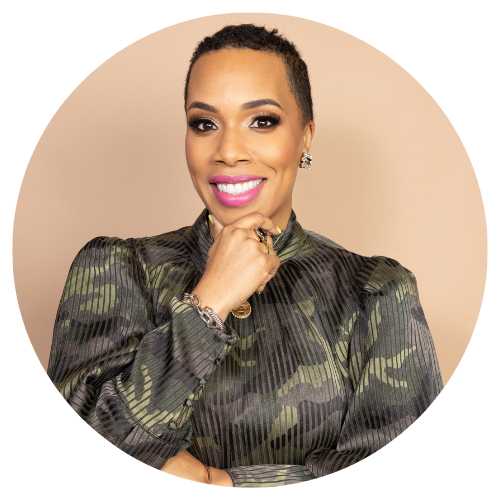
HSMAI staff recently sat down with Denise Thomas, the President of The Effective Communication Coach, who will be a keynote speaker at the HSMAI Commercial Strategy Conference (CSC), June 25-26, in Charlotte, NC. Denise takes a personalized approach, empowering individuals to “lead from where they are” in order to foster substantial, positive changes within their organizations. Her consulting and business serve professionals from entry level to C-Suite Executives on how effective communication can drive advancement in their career and innovation across their businesses.  

Read on for our interview with Denise.  
Q: Could you give us an overview of your session at Commercial Strategy Week? 

A: I’m thrilled about joining HSMAI at CSC in June – Charlotte is a great city! During the keynote Mastering the Art of Communication attendees will understand the power of great and exceptional communication to connect with others. This is for individuals that want to excel and exceed expectations. Attendees should show up ready to have a great time and further their brand to elevate success.  

Q: Why is communication so important for today’s hospitality commercial professionals? 

A: Hospitality professionals have commitment, dedication, and passion for connecting to guests and consumers on a day-to-day basis. How do does our communication change when we are connecting with teams, leaders, or guests? There’s also a responsibility to make sure that we are thinking of psychological safety – there is a mental health crisis. What are some of the words and narratives and language that can sustain a great experience in your role. And that you have what you need psychological safety is protected and embraced.  

Q: What will attendees be able to implement immediately after attending your session? 

A: During the session, attendees will engage in exercises specific to how they show up, how they communicate, and how to bring out the best in them. They will also receive a digital and hard copy of the effective communication guidebook. The session will focus on understanding how to connect with others and how to communicate with others how to get the best out of you. Attendees will be able to apply these techniques and practices immediately when they return to their respective locations. 

Q: How does your session tie into Commercial Strategy?   

A: The session ties into the broader theme of Commercial Strategy by focusing on growth and how to generate more sales and valuable experiences for clients. Communication will be at the forefront of commercial strategy, and attendees will learn how to have difficult conversations and navigate through them. 

This session will provide attendees with applicable mechanisms, great new mindsets and understandings, as well as an appreciation of how to show up as their best authentic, genuine self. We’ll talk about the narratives and even the nonverbal communication techniques to elevate their company’s brand, their mission, and the overall business growth objectives. 

Q: Could you talk about any future trends you’ll be discussing in your session? 

A: During the session, I will discuss generational movements that are changing the landscape of how people work together. The session will cover how having multiple generations in the workforce is impacting the overall experience in the workplace, how to embrace mistakes, learn from them, recruit and sustain top talent, and manage change.  

Q: What resources would you recommend for anyone wanting to maximize their experience? 

A: For those looking to deepen their understanding or application of the session’s insights, I recommend: 

  1. Visit the my website to access tutorials and see her communication and keynote speaking style in action.  
  2. Connect with me on social to ask direct questions and receive additional information. 
  3. Be ready to be engaged and present during the session – it’s an investment in yourself and your growth. 

Q: Anything else you’d like share?  

A: I want to remind attendees that they are not alone in navigating the many challenges they face. I encourage everyone to come to the session with an open mind. Your mindset is so important, so show up as your best self, and remember you are not alone as we come together. Whatever you want to gain, whatever you need to learn, whoever you want to connect with, you can with the right mindset. Be ready to receive the best!  
Transforming Employee Engagement in the Hospitality Industry

In the hospitality industry, traditional metrics like revenue performance and guest satisfaction have long been the go-to indicators for assessing a hotel’s business health. However, as businesses increasingly acknowledge the vital role of talent in achieving success, talent retention has emerged as a paramount concern, which we explore in this excerpt from the HSMAI Foundation Special Report: The State of Hotel Sales, Marketing, and Revenue Optimization Talent 2023-2024 

Historically, the hospitality industry measured employee engagement primarily through annual surveys, which eventually evolved into more frequent pulse surveys. While these surveys provided valuable insights, they often proved to be administratively burdensome and lacked the agility needed to address the dynamic and ever-evolving needs of the workforce. Importantly, the majority of hospitality businesses do not accurately measure the health of their culture, at a time when culture is a critical determinant of success. 
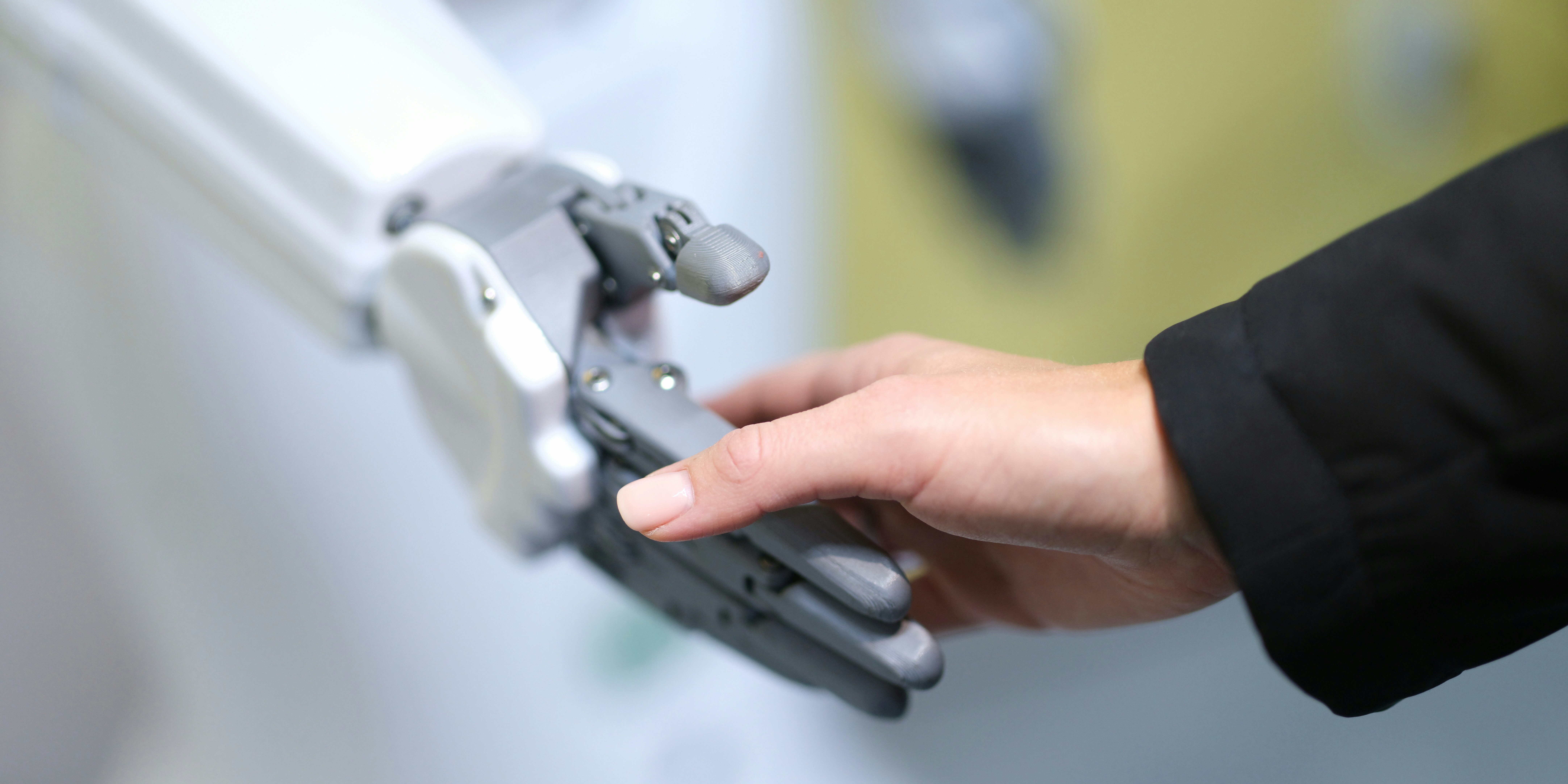
Employee engagement, often dubbed as a mission-critical metric, is now under the spotlight of senior leaders and boards of directors who recognize its pivotal role in driving shareholder and commercial value. Engaged employees (Gallup, 2023) contribute discretionary effort that can make all the difference in the fiercely competitive hospitality sector. Today, the pursuit of engaged employees is not merely a choice but a competitive advantage, and the means to achieve this engagement are evolving rapidly.  

The Stafford Collection, a member of Preferred Hotels & Resorts, Improves Culture and Engages Employees through the Empowered Program 

In this context, the introduction of programs like the Empowered Program is an example of a significant shift in how hotels can more effectively engage with their employees. Listening to and learning from employees have become crucial elements of effective talent management. Hoteliers now seek innovative ways to engage their workforce proactively. The Empowered Program, recently piloted by The Stafford Collection and its flagship hotel The Stafford London, is a comprehensive solution that empowers hotels to actively listen, learn, and act on confidential and anonymous employee feedback. This dynamic program developed specifically for the hospitality industry provides leading culture scores and metrics, including survey templates, employee communication tools to boost survey participation, communications to share actions taking from the employee recommendations, a virtual suggestion box, and clear dashboards for presenting the insights gleaned from the feedback process. Talent retention and employee engagement have risen to the forefront of concerns for hoteliers, reshaping the way they view their workforce. In an era marked by a significant talent shortage, the ability to attract, engage, and retain top talent has become a linchpin of success in the industry.  

Case Study: The Stafford Collection Improves Culture and Engages Employees  

At The Stafford Collection in London, a member of Preferred Hotels & Resorts, the Empowered Program achieved remarkable success, boasting an outstanding 93% participation rate among employees in survey activities. This high level of engagement translated into meaningful actions, as outlined below. The positive outcomes were two-fold: improved employee retention and cost efficiencies that swiftly justified the program’s initial investment within just 90 days. Equally important, employees reported feeling more valued, cared for, and heard, resulting in a workforce that was not only more engaged but also more dedicated to the organization.  

This robust engagement led to meaningful actions, including:  

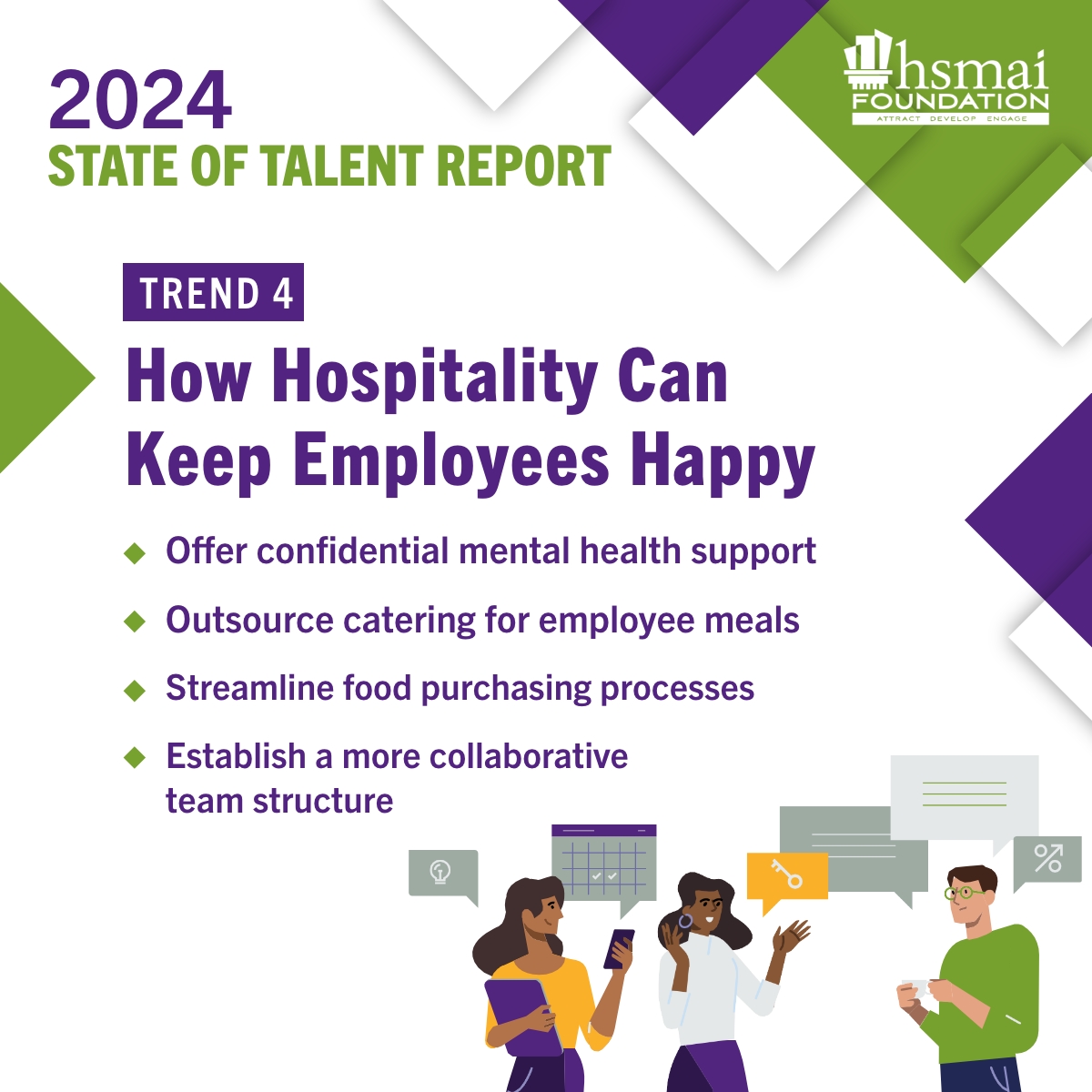
  1. Confidential Mental Health Support: The program identified the need for employee mental health support. In response, the Stafford Collection implemented a confidential mental health support line, demonstrating their commitment to employee well-being. 
  2. Catering Solutions: To alleviate pressure on their chefs and improve employee satisfaction, the Stafford Hotel Group transitioned to an outsourced catering solution for their employee canteen. 
  3. Streamlined Food Sourcing: Employee suggestions from the program highlighted opportunities to optimize food sourcing across their properties. The Stafford Hotel Group’s response streamlined the food purchasing process and enhanced cost-efficiency. 
  4. Enhanced Communication and Collaboration: Employee feedback identified opportunities for improved communication and collaboration among various employee groups, fostering a more cohesive and collaborative team structure. The senior team at Stafford acted on this feedback and provided a more consultative and collaborative employee communication approach with more frequent meetings. 

The positive outcomes were twofold: best-ever employee retention and cost efficiencies that rapidly recouped the program’s initial investment within just 90 days. Moreover, employees themselves reported feeling more valued, cared for, and listened to, resulting in a more engaged and dedicated workforce.  

The Stafford Collection demonstrates how deployment of The Empowered Program reshaped the landscape of employee engagement in their hotel portfolio. By proactively listening to employees, acting on their feedback, and utilizing leading culture scores and metrics, the program has not only paid off in terms of improved employee retention and cost savings but has also fostered a workplace culture where employees feel genuinely cared for and heard. As the hospitality sector evolves, innovative programs like Empowered are set to play a pivotal role in ensuring that employees are at the heart of positive change and continuous improvement within the hotel community. 

The impressive actions resulting from the implementation and embracing of the Empowered program by The Stafford Collection prompted Preferred Hotels & Resorts to adopt the program at a corporate level and to endorse it to all member hotels. 

Key Takeaways  

  • Employee engagement is a pivotal metric on most businesses’ scorecards.
  • Listening and learning from front line employees’ fuels efficiency and productivity.
  • Technology is powering more dynamic employee engagement platforms that respond to employees’ needs and allows employers to continue to learn from employees in close to real time.

To read more about the top talent trends, including case studies of this trend, downloadthe HSMAI Foundation Special Report: The State of Hotel Sales, Marketing, and Revenue Optimization Talent 2023-2024. 

Unlocking Hyper-Personalization: 5 Strategies for Leveraging First-Party Data in Hospitality

Jessie Radcliff, CRME, Director of Revenue Management & Marketing, Perdido Beach Resort, HSMAI Rising Marketing Leader Council Member 

The hospitality industry continues to witness a significant shift towards personalized guest experiences and enhanced loyalty programs. According to Forbes, loyalty programs are evolving beyond the traditional one-size-fits-all model, catering to individual purchasing behaviors (Fromm, 2024). With 73% of shoppers expecting brands to understand their needs (HSMAI, 2024) and 90% of consumers now expecting tailored experiences (Skift, 2018), personalization has become more than just a strategy—it is a commitment to understanding and serving customers on a deeper level.  

Hyper-personalization is a comprehensive understanding of individual preferences, behaviors, and expectations, empowering hotels to not only meet but surpass guest expectations throughout the customer journey. Hotels are now leveraging first-party data, advanced technologies, and automation paired with a balance of human touch and cross-team collaboration to tailor email marketing, loyalty programs, and on-property communications to achieve hyper-personalization. This data-driven approach is reshaping the future of the hospitality industry and may be a key to sustaining customer loyalty. I discussed this with my peers in the HSMAI Rising Marketing Leaders Council meeting recently. Here are our 5 takeaways. 

1. Email Marketing 

The journey to personalization begins with effective communication, particularly through email marketing. We’re challenged in balancing the frequency and content of emails to avoid saturation while still engaging the audience. For instance, one member shared how including personalized elements such as the recipient’s name or tailoring emails based on past interactions can significantly increase engagement rates. However, another member mentioned that limitations in their marketing platform often pose challenges in achieving this level of customization. Despite these hurdles, their goal was to deliver content that resonates with the guests’ preferences and interests, whether it be through intentional imagery, upcoming events, or exclusive offers. 

2. Enhancing the Entire Guest Journey 

The scope of personalization extends beyond email marketing, touching every phase of the guest experience. From the moment of booking, tools like dynamic pop-ups can guide user behavior, encouraging direct bookings and upselling services. We also discussed that seasonal customization of websites and targeted advertisements based on demographics can be effective in drawing guests’ attention and fostering a connection even before they arrive. 

An innovative approach mentioned involves using AI to adapt communication based on the guest’s language preference, as identified during the booking process. This level of attention to detail not only enhances the guest experience but also bridges potential communication gaps, making guests feel valued and understood. 

3. The Power of Segmentation and Tailored Offers 

Understanding guest preferences allows for more targeted room promotions and offers. By segmenting guests based on their previous bookings or preferences, hotels can send personalized follow-ups, from anniversary emails celebrating a past stay to tailored offers that match their known preferences. This strategy not only increases the likelihood of repeat bookings but also strengthens the relationship between the brand and its guests. 

4. Ensuring Promises are Kept 

The effectiveness of any personalization strategy ultimately depends on the collaboration across all hotel departments. From marketing to guest services, the implementation of personalized initiatives requires a coordinated effort to ensure that the promises made through marketing are fulfilled throughout the guest’s stay. In some cases, this process is surprisingly manual, underscoring the importance of clear communication and detailed standard operating procedures. 

5. Leveraging Technology for Personalization 

To support these personalized initiatives, many hotels are turning to new technology solutions. Platforms like Zingle offer text messaging functions that allow guests to communicate their arrival times and receive personalized messages about property offerings. Another tool, Oaky, facilitates pre-arrival communications, enabling properties to upsell or highlight specific features to guests based on their booking details. 

By leveraging first-party data, AI, and targeted marketing strategies, hotels can create more personalized, engaging, and satisfying experiences. 

Read More  

Questions for Your Team  

  • How is your company leveraging first-party data to personalize email marketing offers? How do you ensure that you are intentional and not over-engaging? 
  • What marketing strategies or tools is your team currently using to enhance and better personalize the guest experience throughout the customer journey? 
  • How does your company incorporate personalization into room promotions and offers, and what insights have you gained from observing strategies implemented by other hotels? 
  • How does your company foster collaboration between all departments (Marketing, IT, Front Desk, Guest Service, etc.) to ensure seamless implementation and delivery of personalized initiatives across the organization? 
  • Does your company integrate personalization into its loyalty program, or have you observed any hotels effectively implementing this approach? 
  • Has your company recently implemented or invested in any technology solutions to help automate the creation of personalized communications and guest segmentation? Additionally, does your company utilize a Customer Data Platform (CDP) or other real-time data tool to aid in automating and updating guest profiles and communications within your CRM system? 

Customer Experience in the Age of AI

HSMAI Staff recently had the opportunity to chat with David C. Edelman, a speaker at the HSMAI Commercial Strategy Conference, June 25-26 in Charlotte. David is author of the upcoming book, Personalized: Customer Strategy in the Age of AI, and is a sought-after advisor on digital transformation and marketing. As CMO, David guided Aetna (now part of CVS Health) through becoming a digitally oriented, customer-centric brand. Repeatedly recognized by Forbes as one of the “Most Influential CMOs in the World,” and by AdWeek as one of the “Top 20 Marketing and Technology Executives,” his work has attracted over 1.1 million followers to his LinkedIn blog. Currently, David teaches Marketing at Harvard Business School and advises CEO’s and CXO’s in Health and Marketing Services, focusing on AI and personalization.  

Read on for our Q&A with David.  

Q: Could you give us a brief overview of your session at the Commercial Strategy Conference and what attendees can expect to learn or experience? 

A: There is a tremendous amount of hype about AI and many executives don’t know where to begin. I’ll be talking about the opportunities from AI in general, how to put together a strategy to use them to drive the business at scale, and how to create a strategy to embed AI to drive scaled impact. Attendees can expect to learn a framework for understanding what AI can do, how to start thinking about the priorities for where to focus investments in AI, and tangible ideas and examples of tools that they might want to explore that could help them on their AI journey. 

Q: What unique perspective or insights do you bring to this topic, and why is it important for today’s hospitality commercial professionals? 

A:  AI can be used for both efficiency and growth in the hospitality industry. From an efficiency standpoint, hospitality generates a lot of content and has a lot of marketing activity going on at many different phases of a customer’s journey. Much of this can now be automated, tracked, measured, tested, and constantly improved. From a growth standpoint, the main way to unlock growth from AI is through personalization, by being dramatically more relevant to each person. AI can allow you to do this by doing the modeling that can help you understand the right trigger for when somebody should be getting some kind of content, the generation of different options for what that content should be, and then for managing the testing and optimization of that overtime. 

Q: What are the practical takeaways attendees will be able to implement after attending your session? 

A: Attendees will come out of his session with a few practical takeaways that they can implement. These include: 

  1. A framework for understanding what AI can do, that they can share with their teams and use in their companies. 
  2. An understanding of how to start thinking about the priorities for where to focus investments in AI. 
  3. Tangible ideas and examples of tools that they might want to explore that could help them on their AI journey.  

Q: Could you hint at any future trends or predictions you’ll be discussing in your session? 

A: There is real value that can be obtained from where AI is, and that it’s been around for a while, though some of the newer genAI tools have only been around for at scale for 18 months or so. Other forms of machine learning have been around for a while and companies are already using those to drive serious results.  

AI is going to improve, but companies need to create the right kind of infrastructure, operating model, and data capabilities to support AI wherever it’s going, because it’s always learning from data.  

Q: For those looking to deepen their understanding or application of your session’s insights, what resources would you recommend? 

A: There’s so much out there, but an easy place to start would be the articles I’ve published in the Harvard Business Review 

Q: What else should leaders be considering? 

A: AI strategy has to come down from the top and it’s a top leadership issue. It can’t just be little experiments that are happening. Top leadership teams need to spend the time and think about it through a workshop or series of exercises. They need to take the learning and the potential and turn it into a real plan for how they want to proceed. It does not happen organically; it must be deliberate.  

Leadership Defines Culture and Organizational Purpose

Throughout numerous HSMAI meetings, including board meetings, commercial week, and leadership conferences, a consistent and powerful theme has emerged regarding the role of leadership in the post-pandemic era. It has become evident that effective leadership is paramount in defining an organization’s culture, fostering a sense of community, and serving as a shining example of collaborative teamwork. The insights presented in this excerpt from the HSMAI Foundation Special Report: The State of Hotel Sales, Marketing, and Revenue Optimization Talent 2023-2024 are attributed to HSMAI board members and leaders from these meetings. 

Here are the five key leadership themes that have consistently resonated within the HSMAI community:  

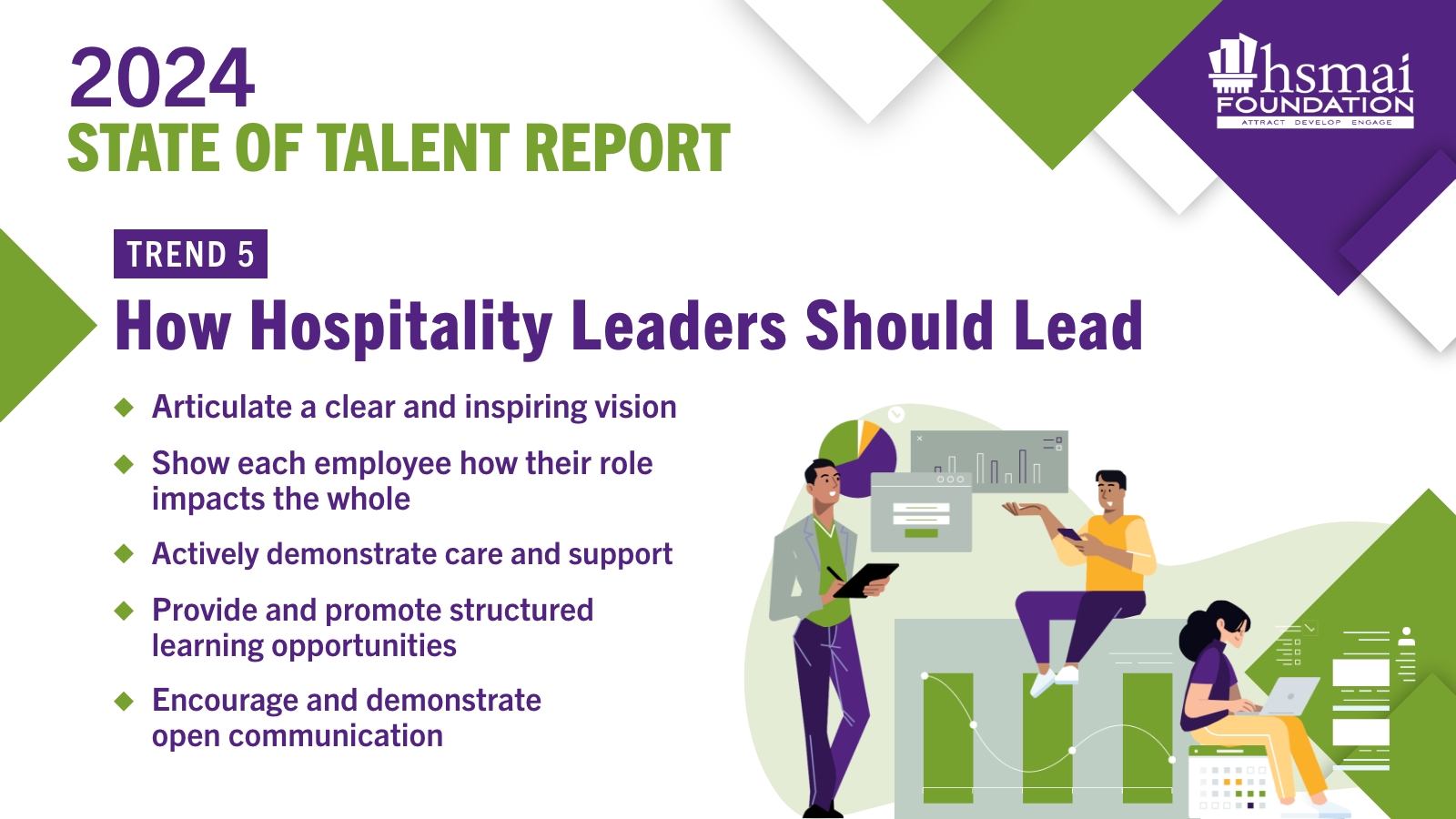
  1. Visionary Leadership: Leadership sets the tone by articulating a clear and inspiring vision that defines the organization’s purpose and values. This visionary perspective acts as a guiding beacon, ensuring that every team member aligns with the organization’s mission and goals. Much like a “wolf pack” analogy, senior leadership within the company and the GM on property are the key drivers of this vision. General Managers are encouraged to build a strong community on property, fostering unity and camaraderie among the team. Above-property teams are urged to form a supportive “wolf pack” behind the GM to amplify their efforts and ensure success. 
  2. Culture Cultivation with a Revenue Focus: Leadership plays a pivotal role in establishing the organizational culture by embodying the desired behaviors and attitudes that drive revenue and profitability. When leaders prioritize guest satisfaction and a commitment to excellence, they create an environment where employees not only understand but actively contribute to the business’s financial success. One critical element identified by HSMAI leadership is the importance of connecting the dots for teammates, helping them see how their roles are integral to the organization’s overarching goals. Leaders must break down these goals and cascade them throughout the organization, reducing the “they said” mentality from team members and helping them understand the personal significance of these goals.
  3. Team Well-being: Leadership sets the tone by placing a high value on the well-being of employees. Through active demonstrations of care and support for their teams, leaders send a powerful message that team care is not just a slogan but a foundational pillar of the organization’s culture. As the saying goes, “frustration hijacks culture every day.” Leaders need to identify and address sources of frustration at work, as these can negatively impact the culture. Removing obstacles and providing support are crucial steps in promoting team well-being. 
  4. Continuous Learning and Growth: Leadership underscores the significance of continuous learning and development by allocating resources and fostering a culture that values skill enhancement. Leaders proactively promote structured learning opportunities, igniting motivation within employees to engage in personal and professional growth. As stated in a Fast Company article, “Leaders see a window of opportunity to upskill their workforces to work with the latest technologies.” Addressing knowledge gaps, particularly in areas like sales, is a critical concern. Additionally, leaders should focus on automating routine tasks to free up employees for more meaningful work. While fears of automation persist, it’s important to acknowledge that AI will create new and more engaging roles in the future. 
  5. Collaborative Synergy: Leadership promotes collaboration by encouraging open communication and establishing clear expectations for teamwork. Leaders actively endorse a culture of collaboration that transcends boundaries, emphasizing that unity between above-property and on-property teams is indispensable for achieving success. Challenges between hotel brands and management companies, as well as asset managers, are creating hardships for owners. Ownership groups are growing resentful of the demands placed by hotel brands, making it essential for brands to leverage the expertise of management companies and asset managers to ensure a more collaborative environment that drives commercial success. Many of the management companies active with HSMAI routinely hold quarterly in-person meetings between above property and property teams across all shared services roles inclusive of finance, asset management, revenue management, and sales and marketing as a standard practice to encourage collaboration between all practice areas to ensure effective collaboration. 

In summary, these five leadership themes consistently echoed within the HSMAI community underscore the pivotal role of leadership in shaping organizational culture, fostering a sense of community, and exemplifying the essence of collaborative teamwork. As the hospitality industry evolves post-pandemic, these leadership principles serve as guiding principles for success. 

Key Takeaways 

  • Leaders define and model culture.
  • Driving results means leaders need to connect the dots for teammates to allow them to contribute effectively.
  • Employee well-being and team care are foundational pillars in successful hospitality businesses. • Upskilling investments to leverage new technologies is needed to automate routine tasks and free up employees for meaningful work.
  • Teamwork and collaboration are keys to success.


To read more about the top talent trends downloadthe HSMAI Foundation Special Report: The State of Hotel Sales, Marketing, and Revenue Optimization Talent 2023-2024. 

Rethinking Employee Engagement in 2024

Megan Becker, Manager of Hiring and Training, Reservations; Hershey Entertainment & Resorts Company; Steering Committee Vice Chair, HSMAI Contact Center SIG 

Denise Pullen, Founder, CEO, Daisia Consulting, Steering Committee Member, HSMAI Contact Center SIG 

The HSMAI Contact Center SIG recently gathered and discussed best practices, challenges, and ideas for measuring and improving staff engagement. We all agreed that employee engagement is crucial for the success of our business and our colleagues’ well-being. Our conversation emphasized the importance of listening to staff, creating a culture of trust and collaboration, providing feedback and growth opportunities, and having fun. Please read on for our top six takeaways.  

1. Prioritize Regular Check-Ins

One member shared, “Each leader connects with colleagues every month to really check and see how they’re currently feeling about their position.” Regular, personal check-ins are a useful tool for understanding individual employee needs and fostering a culture of trust and transparency.

2. Leverage Engagement Surveys 

Surveys can provide insights into employee satisfaction and engagement, guiding strategic decisions to enhance workplace culture. As one participant shared, “We do an annual employee engagement survey, and we are currently looking at moving to a quarterly model.” 

3. Form an Engagement Task Force

Starting an Employee Engagement Task Force was highlighted as an effective way to involve employees in crafting engagement strategies, ensuring they reflect the team’s true needs and desires.

4. Focus on Career Development Paths

Clear career paths and development opportunities are crucial for aligning employees’ growth with organizational goals, significantly boosting engagement. One SIG member noted, “We have a career development hub…it helps the leader and the colleagues both work towards a role.” 

5. Create Opportunities for Peer Connection

Fostering a sense of community among employees can lead to a more cohesive and motivated team, enhancing overall engagement.

6. Utilize Net Promoter Scores (NPS) 

NPS offers a quantifiable measure of employee willingness to advocate for their job, serving as an indicator of satisfaction within the organization. “We typically look for…the likelihood to recommend their role to a friend or family member, the Net Promoter Score model…is really indicative of whether or not they’re engaged in their role.”  

Read More:  

Questions for Your Team:  

1.     How are you measuring staff engagement? Turnover? Productivity? “Feeling”? 

2.     What is one way you currently (or want to, in the future) challenge your team to engage themselves? 

3.     What have you changed since 2020, and what do you think needs to come back? 

To learn more about HSMAI’s Contact Center Special Interest Group, please visit https://americas.hsmai.org/about/hsmai-contact-center-special-interest-group/ 

Celebrating Women’s History Month Perspective

Robert A. Gilbert, CHME, CHBA, President and CEO, Hospitality Sales & Marketing Association International (HSMAI)   

As Women’s History Month ends, I am reflecting on the progress we’ve made toward gender inclusivity and the empowerment of female leaders in hospitality. Several years ago, we published a report with Castell, that showed that women held more leadership positions in commercial functions than the hospitality industry as a whole. We can use the upcoming Commercial Strategy Conference (slated for June 24th – 27th, in Charlotte) as a litmus test to these advancements. The conference shows a significant shift from the association’s origins as a male-dominated group—a sign of progress worth celebrating.  

HSMAI is dedicated to fostering an inclusive space where the industry’s female leaders can shine. On International Women’s Day, we spotlighted women leaders on LinkedIn:  

These videos are not just gestures, but affirmations of the crucial roles women play in driving innovation, strategy, and success in our industry. As my colleague recently said, “We have to see it to be it.” The more we can amplify the voices of women, the more people it will inspire.  

HSMAI’s Commercial Strategy Conference, evolving from the synthesis of HSMAI’s Marketing Strategy Conference and HSMAI ROC, captures this commitment to inclusivity. It’s designed to merge insights across commercial disciplines, from marketing to revenue optimization and sales, creating a holistic platform for learning and leadership that reflects the diverse sectors of the industry. The gender balance in the speakers sends a message that the future of hospitality is inclusive. 

Integral to this narrative of progress is the power of mentoring, as highlighted in the “Power of Mentoring” report released by the HSMAI Foundation and Women in Travel THRIVE last year. The findings focused on women in hotel sales, marketing, and revenue management, highlighting the transformative impact mentorship in nurturing the next generation of industry leaders. It explores the barriers and pathways women have in mentoring and career advancement and offers actions to get started. If you haven’t had a chance to read it, I highly recommend it. 

While progress has been made, we’re reminded of the work still ahead. CSC, alongside the Foundation’s report and the recognition of women leaders, underscores our collective commitment to not only acknowledging women’s contributions but actively supporting the advancement of the next generation of women leaders. 

HSMAI Perspective: Celebrating Women’s History Month

Robert A. Gilbert, CHME, CHBA, President and CEO, Hospitality Sales & Marketing Association International (HSMAI)   

As Women’s History Month ends, I am reflecting on the progress we’ve made toward gender inclusivity and the empowerment of female leaders in hospitality. Several years ago, we published a report with Castell, that showed that women held more leadership positions in commercial functions than the hospitality industry as a whole. We can use the upcoming Commercial Strategy Conference (CSC) slated for June 25-26, in Charlotte, as a litmus test to these advancements. CSC shows a significant shift from the association’s origins as a male-dominated group—a sign of progress worth celebrating.  

HSMAI is dedicated to fostering an inclusive space where the industry’s female leaders can shine. On International Women’s Day, we spotlighted women leaders on LinkedIn:  

These videos are not just gestures, but affirmations of the crucial roles women play in driving innovation, strategy, and success in our industry. As my colleague recently said, “We have to see it to be it.” The more we can amplify the voices of women, the more people it will inspire.  

CSC, emerging from the synthesis of HSMAI’s Marketing Strategy Conference and HSMAI ROC, captures this commitment to inclusivity. It’s designed to merge insights across commercial disciplines, from marketing to revenue optimization and sales, creating a holistic platform for learning and leadership that reflects the diverse sectors of the industry. The gender balance in the speakers sends a message that the future of hospitality is inclusive. 

Integral to this narrative of progress is the power of mentoring, as highlighted in the “Power of Mentoring” report released by the HSMAI Foundation and Women in Travel THRIVE last year. The findings focused on women in hotel sales, marketing, and revenue management, highlighting the transformative impact mentorship in nurturing the next generation of industry leaders. It explores the barriers and pathways women have in mentoring and career advancement and offers actions to get started. If you haven’t had a chance to read it, I highly recommend it. 

While progress has been made, we’re reminded of the work still ahead. CSC, alongside the Foundation’s report and the recognition of women leaders, underscores our collective commitment to not only acknowledging women’s contributions but actively supporting the advancement of the next generation of women leaders. 

Rising Sales Leaders Discuss Mastering Efficiency: Optimizing Calendars and Emails for Productivity

Jake Moreland, Global Sales Manager, Hyatt Hotels Corporation, HSMAI Rising Sales Leader Council 

Many of us grapple with the constant influx of emails and the pressure to stay organized and responsive, which can lead to the overwhelming feeling of email anxiety or stress. In our fast-paced industry and constant connectivity, managing email and calendar schedules effectively has become a crucial aspect of maintaining productivity and well-being. 

The pressure to remain perpetually connected has led to email anxiety, worsened by the hybrid and remote work environments. Some statistics highlight our challenge:  

  • The average number of emails sent and received in 2023 was 347.3 billion – 4.3% higher than 2022.  
  • 58% of people check their emails first thing in the morning.  
  • 90% of people between 25-34 years old equal 89% of email users.   

I brought this topic to the Rising Sales Leader Council. How, amidst this email onslaught, are we reclaiming our time and focus? Here are our top tips:  

Leverage Outlook Rules:  To help prioritize, create filters and folders to auto-sort emails that you can access when you need to. 

2-minute Response Principle: If it takes less than two minutes to reply, do it immediately. 

Embrace Inbox Zero: For some, having zero emails is their happy place.  

Strategic Calendar Management: Block specific times for email management, link reports in recurring tasks, and use tools like Clockwise to visualize free time and meeting distributions. 

Prioritize and Categorize: Use color-coordinated stickers or categories for emails to streamline priorities and manage sales cycles efficiently. 

Mindful Communication Timing: Consider time zones before sending emails, optimizing the timing for recipient responsiveness. 

Digital Detox: Sometimes, stepping away from digital devices or limiting their use for work-related communication can significantly reduce stress. 

Further Reading  


Questions for Your Team 

  1. Do you experience email anxiety or stress? 
  2. Do you use tools/features (i.e., filters, folders, categories) to organize your inbox/calendar? 
  3. What are your strategies for decluttering your inbox? 
  4. Have you implemented any email boundaries to protect your personal time outside of work hours? 

Enhancing Customer Experience with AI

Isaac Gerstenzang, Vice President Digital Marketing & CRM, Atlantis Bahamas, HSMAI Marketing Advisory Board Member 

AI is ubiquitous these days, but a lot of the attention has been focused on content. I am interested in how different companies are using AI to enhance customer experience and use AI to boost their performance and quality. For example, Amazon is constantly improving their delivery routes by utilizing AI based traffic pattern analysis. How can we use AI to build an intelligent experience engine and ultimately enhance the guest experience? I brought these questions to the Marketing Advisory Board for discussion.  

Integrating AI for Enhanced Guest Experience 

We discussed the significance of utilizing AI to bring together various data signals and insights to create a more intelligent and personalized guest experience. There was an emphasis on the need to connect different data points, such as website interactions, email campaign engagements, reservation details, and then to leverage AI to make sense of this data quickly and efficiently to ensure team members can act on the learnings in their respective areas. 

Collaboration and Communication  

Our discussion highlighted the importance of collaboration and communication among different departments to effectively implement AI for guest personalization, both online and offline. We must understand the specific needs and requirements of each department and work together to bring all the different pieces together. We also are leveraging agency partners, vendors, and technical leaders to implement AI solutions. There was a feeling that vendors should include industry leaders in solutions earlier on, so programs don’t have to be retrofitted to how the industry uses the data.  

First-Party Data and Personalization 

Because of the shift towards first-party data and the decreasing reliance on third-party cookies for personalization, we saw the value of gaining more insights on guests through first-party data and utilizing AI to collect, curate, and analyze this data from various touchpoints to a single data stream to help elevate the customer journeys. Using first-party data could enhance personalization efforts and provide a more tailored experience to guests. 

Learn More  

Discussion 

  1. For hotels, what specific touchpoints in the customer journey can be optimized for personalization?
  2. The article mentions impediments to personalization, such as orchestration across channels. How do these challenges apply to the hotel industry, and what strategies can marketers adopt to overcome them? Are there specific examples of hotels successfully navigating these challenges? 
  3. How can hotels effectively integrate AI and customer data to improve customer interactions? What lessons can be drawn from companies like Starbucks or Qantas in terms of activating experiences across channels? 
  4. How can hotel marketing teams adopt a mindset of continuous testing and experimentation to refine offerings and better understand guest preferences? 
  5. What steps can hotel marketing executives take to build an intelligent experience engine for their properties? How might the 70/20/10 rule mentioned in the article be applied in the context of a hotel’s digital transformation, focusing on people, data, and technology?