 Share
ShareKristi White, VP Reporting, Data & Analytics, Groups 360, HSMAI Sales Advisory Board Member
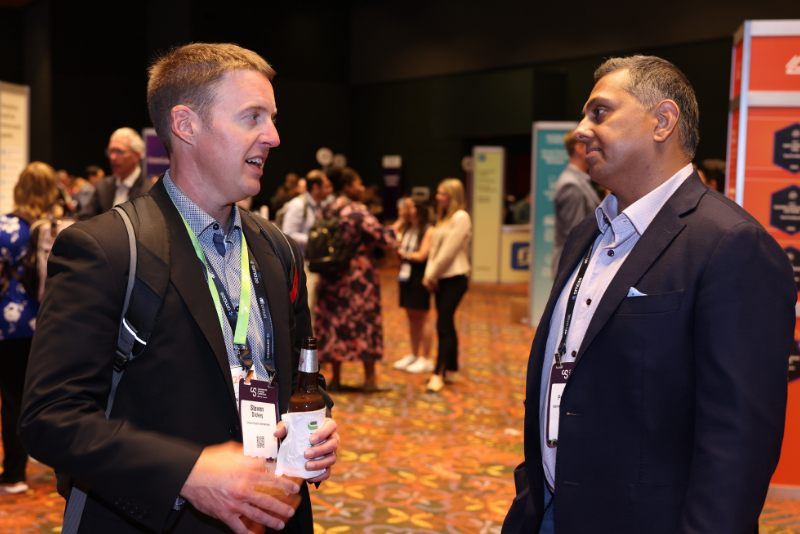
If you’ve ever sat through a flawless product demo, signed a contract full of optimism, and then found yourself frustrated, underserved, and locked into something that isn’t working, you’re not alone. At the 2026 HSMAI Commercial Strategy Conference, Dan Wacksman of Sassato walked through the full lifecycle of hotel-vendor relationships with the kind of honesty the industry doesn’t talk about enough.
Why You Should Care
Technology decisions are among the most consequential a hotel team makes. A bad vendor relationship doesn’t just waste budget. It drains staff time, stalls strategy, and creates the kind of organizational cynicism that makes the next technology adoption even harder. What Wacksman made clear is that these relationships don’t fail because people are bad at their jobs or because vendors are evil. They fail because of structural, repeatable problems most teams never stop to address.
What the Presentation Got Right
The courtship phase is built on mutual fiction. RFPs reflect what hotels wish they were. Vendor responses reflect what buyers want to hear. Demos show a best-case scenario with perfect data and a rehearsed A-team. References come pre-screened. And often, the decision ends up going to the best salesperson, not the best product.
Once the contract is signed, the problems shift. During the sales process, “it’s on the roadmap” sounds like a promise. After the contract is signed, Wacksman translates it for what it actually means: we heard you, we are not building that, please stop asking. If you’ve ever nodded along to that phrase and then waited 18 months for a feature that never came, you already know he’s right.
Beyond the roadmap problem, there are no defined success metrics, no clear internal owner, no regular operating rhythm, and communication only happens when something breaks or a renewal invoice lands. Wacksman named three root causes that keep this cycle going:
- Misaligned expectations
- Diffuse accountability
- Relationship inertia.
That last one is the most insidious. It is almost always easier to stay and complain than to fix things or walk away.
A Framework Worth Keeping
The practical takeaway from the session is what Wacksman calls the DATE framework:
- Define success in real numbers before you sign
- Assign one named owner on each side
- Talk on a regular rhythm rather than only in crisis
- Exit with intention when the relationship isn’t working
Simple, but most teams skip at least two of those four steps.
Where to Go From Here
The hotel industry has never had a shortage of vendor options, and it has never had a shortage of disappointing implementations either. Wacksman’s point is that the pattern is predictable enough to be preventable. The demo will always look great. The salesperson will always be charming. “It’s on the roadmap” will always sound more reassuring than it should. But teams that go in with clear success metrics, a named owner, and an honest willingness to fix or walk away are the ones that get value from the tools they buy. That’s less about vendor selection and more about how you show up to the relationship from day one.