HSMAI Top 25 Profile: Katlyn Svendsen

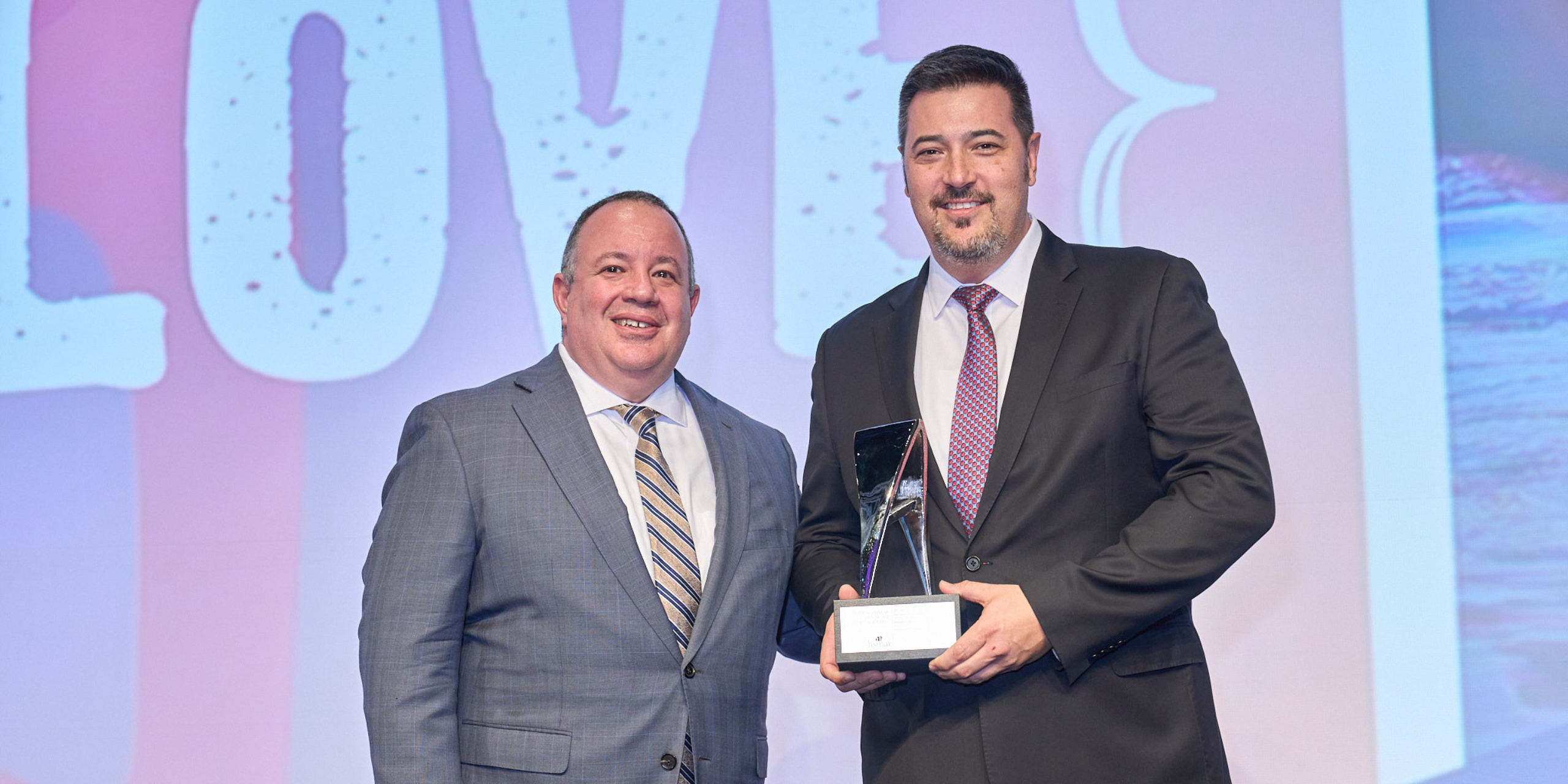
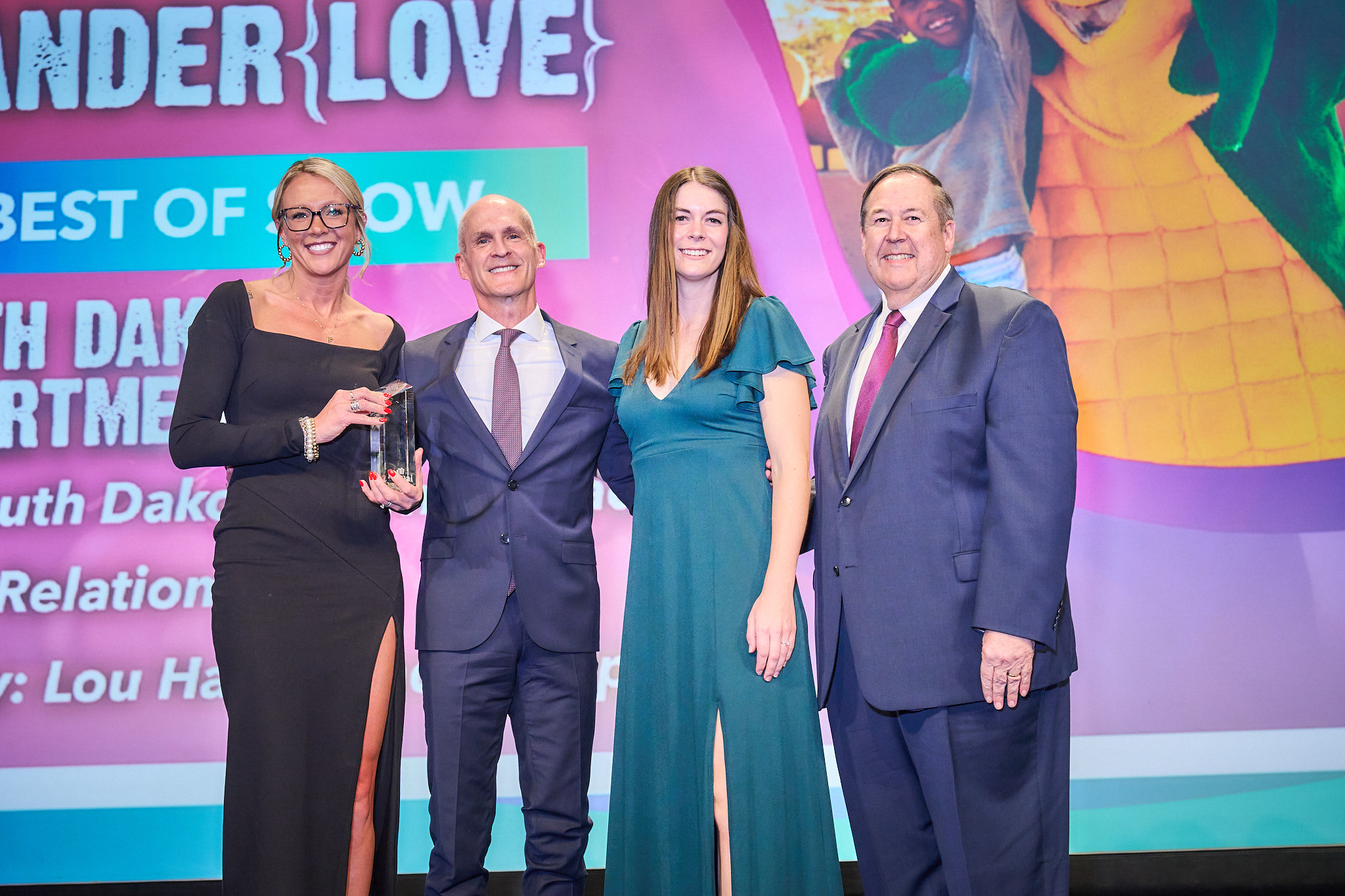
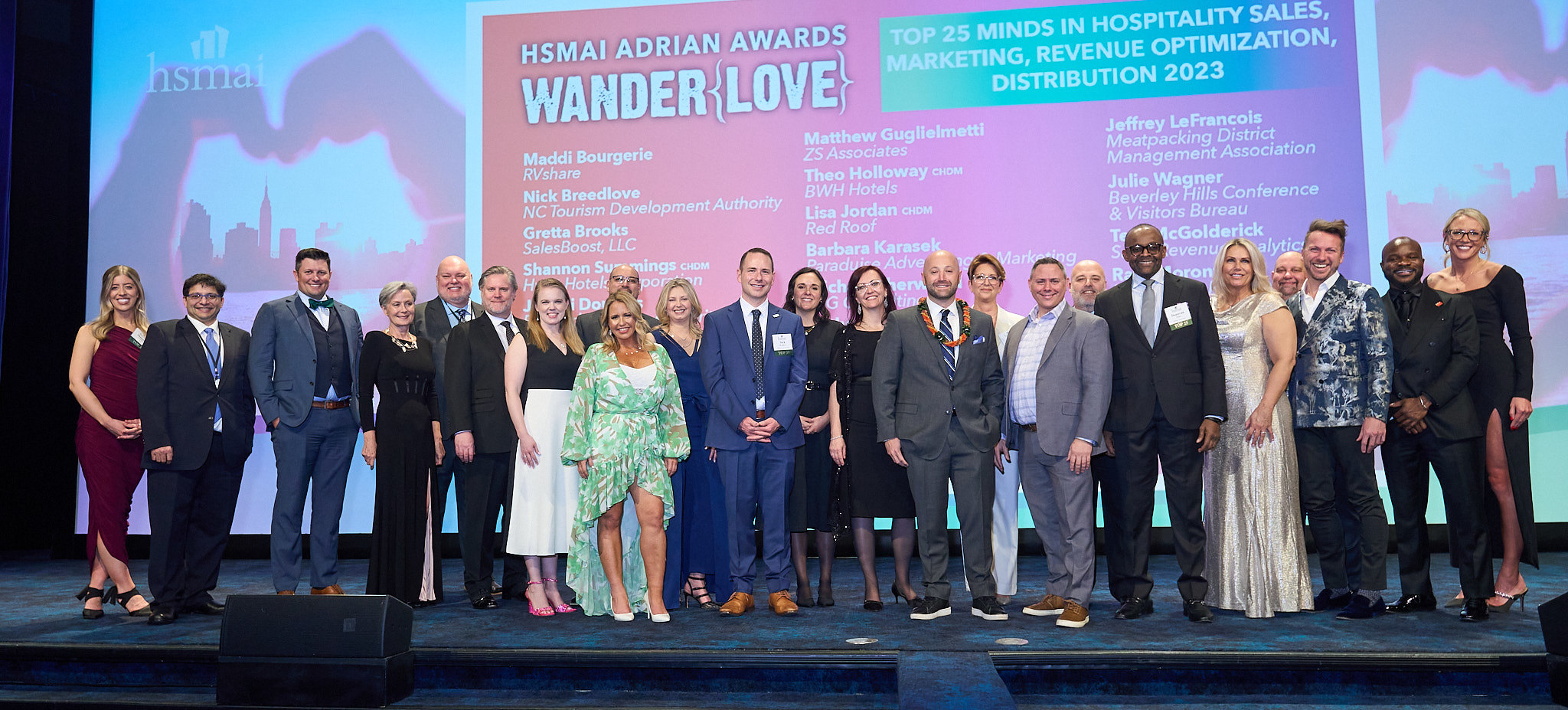
HSMAI honored the2023 Top 25 Extraordinary Minds in Hospitality Sales, Marketing, Revenue Optimization and Distribution— recognizing leaders from hospitality, travel, and tourism organizations for their accomplishments.  Katlyn Svendsen, Global Public Relations & Content Services Director, Travel South Dakota is one of these honorees.   

Katlyn has worked for Travel South Dakota since 2011. She takes a proactive approach working with the local, regional, national and international media to share news about South Dakota to inspire travel to the state through providing unique and interesting story angles for new visitors to discover.  

From inspiring visits with viral celebrities like Tariq, “The Corn Kid,” to building on relationships with media friends over the course of her career, she keeps South Dakota’s tourism industry and partners at the core of her work. Her personal mission is to story tell in a way that evokes a feeling of wanderlust. Her team has touchpoints not only with media, but serving the overall marketing plan, and strategizing in the international marketing and media space. She resides in Pierre with her husband and stays busy raising two very active and talented girls. She enjoys taking the road less traveled, boating on Lake Oahe, ATV trail riding in the Black Hills, motorcycle riding, and DIY projects on their acreage. Generally, put her in the outdoors and she’s all in.  

KEY ACCOMPLISHMENT 

Elevated South Dakota’s profile, leading to increased tourism and economic growth.  

WHAT INSPIRED THIS NOMINATION?  

Katlyn’s visionary strategies have transformed South Dakota into a sought-after destination.”  

Q&A WITH KATLYN SVENDSEN  

What advice would you give to your younger self?  

I have always leaned into the power of strong mentors in my life. I would encourage myself to dig even further into this resource. Finding someone who is younger than you (keep yourself young and learning!), in the same phase, an experienced leader, and finally, and most importantly, someone who is much older, retired, and sees the world in a completely different way. Having all of these perspectives from all phases of life gives a well-rounded resource that I can turn to for any challenge.  

What keeps you inspired? 

Truly the travel and tourism industry is one of the most energizing and inspiring industries. The constant innovation and keeping up with consumer trends keep all of us communicating regularly to strategize best practices. It in a positive and upbeat energy where we are not saving lives, but we are certainly changing them. 


Nominations are now open for the 2024 HSMAI Top 25! Deadline is today, September 20! 

Hot Topics: The Issues Advisory Board Members Are Tracking

When we asked our Advisory Board Members what new and emerging issues they were thinking about and tracking in the summer of 2024, they focused in on the following key issues:

Market Performance and Concerns: There are significant concerns about Q4 performance, with diminishing leisure pace and eroding ADR (Average Daily Rate). Upper midscale and below segments are struggling, while luxury and upper upscale segments are performing relatively better but still face challenges. Growth projections have been revised down from 4-4.5% to 2-3%, with missing transient business identified as a key factor in underperformance.

Economic Factors: Inflation is recognized as a significant issue affecting the industry. Interest rate cuts are anticipated, but their impact remains uncertain. There is a shift towards international travel for U.S. residents, reduced consumer confidence, and spending power. The economic impact of the election year is also a concern.

2025 Outlook and Budgeting: Despite challenges, some markets show positive intentions for 2025. However, there is uncertainty about how current trends will affect 2025 performance, making accurate forecasting difficult.

Booking Trends: Booking windows have shortened significantly, with current booking windows around 30 days, down from 60-90 days. There is a trend towards last-minute bookings for better deals, which the industry has inadvertently cultivated.

Group Business: Declining group volume and short-term, in-the-year-for-the-year opportunities are decreasing. There are concerns about how short-term trends will affect 2025 bookings, although there are some positive signs for Q1 group bookings in Florida. Contract negotiations face significant pushback on cancellation and attrition clauses, with clients reluctant to commit to penalties.

Industry Challenges: There is downward pressure on pricing and a return of post-recession “bad habits” in yield management. An increase in last-minute promotions and discounts to fill inventory is noted. Political factors and economic uncertainty are contributing to consumer unease, affecting both transient and group bookings. Additionally, entry and early sales career salaries and titles are inflating, leading to rampant job hopping and short tenures.

Technology, AI, and the Internet: The industry is grappling with several emerging issues including the transition to GA4 and cookies. Cybersecurity and data privacy remain critical, highlighted by incidents like the Crowdstrike and Omni data breaches. Additionally, understanding AI and leveraging it to summarize data and extract insights is becoming increasingly important, as is integrating and utilizing AI effectively in operations. There is a growing interest in understanding how SEO is influencing AI.

Harnessing Hotel Data for Powerful Insights

In today’s fast-moving, data-rich environment, every business leader will benefit from understanding the mechanics of data analytics. In the HSMAI Academy’s Hotel Data Analytics Essentials Course, you will learn how hoteliers capture, store, and analyze data to gain insights that drive smarter business decisions. With a mix of theory and practical exercises, the course will provide you with: 

  1. A basic understanding of data 
  2. Fundamental techniques for unlocking insights from that data 
  3. Ability to tell a story to stakeholders with the data and analytics 

Driving Hotel Sales Through Diverse Marketing Strategies

HSMAI Global’s new Certified Hotel Sales Leader (CHSL) certification is designed to recognize the expertise of hotel sales leaders, emphasizing the most up-to-date sales and commercial principles, practices, and strategies. 

Here we share excerpts from Chapter 8 of the CHSL study guide The Hotel Sales Playbook: Winning Strategies for Success. 

Chapter 8: Driving Hotel Sales Through Diverse Marketing Strategies  

Contributed by Katy Gettinger and Lori Strasberg  

The Intersection of Sales and Marketing  

Sales and marketing are closely intertwined in the hotel industry, as both functions work together (along with revenue management and distribution) to maximize revenue and build long-term customer relationships. A few of the many important ways in which sales and marketing intersect are:  

Strategy development: Sales and marketing teams collaborate to develop and implement strategies that will deliver against the hotel’s overall business objectives, considering its target markets, brand positioning, and financial goals.  

Customer segmentation: Marketing teams help identify and segment target customers based on demographics, psychographics, needs, and behaviors. Sales teams use this information to create customized approaches for each segment  

Event and group marketing: Marketing helps generate awareness and interest in the hotel’s general offerings for groups, including event spaces and meeting facilities, distinctive catering offerings, and other hotel differentiators, while the sales team works directly with event planners and group coordinators to manage the sales process and convert leads from initial discussions through conversion.  

Customer relationship management (CRM): Marketing and sales teams use CRM tools to manage guest and customer data, preferences, and feedback. This information can be used to personalize marketing communications, improve the guest experience, and identify opportunities for upselling and cross-selling.  

Performance analysis: Sales and marketing teams collaborate to analyze key performance indicators (KPIs) to measure the effectiveness of their strategies and make data-driven decisions.  

These are clear areas where results are optimized when sales is able to leverage the skills and knowledge of a marketing partner.  

But what if you are a sales leader who is also responsible for marketing? Despite a lack of formal marketing training, sales leaders are often called upon to oversee marketing strategies and initiatives and ensure they deliver revenue.   

What can you do to build your marketing muscles? Start by seeking educational opportunities. From your local college or university to online courses from edX, Coursera, the American Marketing Association, HSMAI, and others, a little bit of formal education and training can go a long way.   

If you do not have in-house marketing experts to tap into, consider bringing on a marketing agency or consultant. With the dramatic shift to digital channels, marketing has become more and more technology-based and specialized, and more and more challenging to fully execute yourself. Discipline expertise can help ensure you are on the right path.  

 Having a broad understanding of the fundamentals of marketing, including branding, digital marketing, affiliations and partnerships, loyalty programs, and public relations (as covered in this study guide), and bringing in outside experts as needed, will help make sure your marketing strategy will accomplish your most important goals.  

HSMAI Top 25 Profile: Vanessa Williams

HSMAI honored the 2023 Top 25 Extraordinary Minds in Hospitality Sales, Marketing, Revenue Optimization and Distribution — recognizing leaders from hospitality, travel, and tourism organizations for their accomplishments. Vanessa Williams, General Manager, The Vinoy Resort & Golf Club, Marriott Autograph Collection, is one of these honorees.   

From South Korea to Beverly Hills, Vanessa Williams has traveled the globe, restoring and renovating luxury hotels. She has held the position of General Manager of The Vinoy Resort & Golf Club since early 2022. Given her immense experience in luxury hotel leadership and specialty in leading marketing campaigns, she was chosen to oversee the overall operations of the refined resort as it emerged from an extensive renovation.  

Vanessa’s hospitality career has spanned nearly three decades, including a role in the renovation, relaunch and repositioning of the Mandarin Oriental Hong Kong along with time at Raffles L’Ermitage Beverly Hills, Sandy Lane Barbados and Sukhothai Bangkok before joining Hilton to spearhead luxury expansion initiatives, including opening Waldorf Astoria Beijing and Conrad Seoul.  

Directly before her time at The Vinoy, Vanessa was general manager of the Waldorf Astoria Beverly Hills, where she led her team to outperform luxury benchmarks, such as upholding the Forbes 5-Star rating for both the hotel and the spa 

Key Accomplishment: 

Led the renovation of The Vinoy Resort, enhancing its luxury offerings. 

What Inspired This Nomination? 

“Vanessa’s leadership has redefined luxury hospitality at The Vinoy Resort.” 

Q&A with Vanessa Williams 

What advice would you give to your younger self? 

Be prepared for career challenges, especially in environments that might not readily accept a strong, determined woman with high expectations. Build resilience, know the landscape you’re entering, and set realistic expectations. Keep learning and growing, staying true to your ambitions despite any obstacles you encounter. 

What keeps you inspired? 

Throughout my career, I’ve been deeply inspired by witnessing the growth and development of individuals that I have had the honor to lead, across diverse cultures spanning ten countries. Witnessing them grow and thrive, evolving into accomplished leaders and remarkable individuals within the realm of hospitality, has been my driving force. My passion lies in both nurturing these individuals and contributing to the luxury hospitality industry that resonates with me. 

Nominations are now open for the 2024 HSMAI Top 25! Deadline is September 20. 

Being Proactive About Proactive Sales

Mandy Murray, CRMA, Area Director of Sales, Aimbridge Hospitality, HSMAI Rising Sales Leader Council  

In a world full of automation, it is easy to get into our reactive routines. Sure, that may keep your businesses afloat, but what will really create success is all the proactive efforts you put in. By definition, proactive means acting in anticipation of future problems, needs, or changes. So, how can we be proactive in creating higher profits for our hotels, in moving forward on our career paths, in building up our team members? 

  1. Proactive Sales: While automation and reactive routines can maintain business, true success comes from focusing on proactive efforts. Proactive sales involve anticipating future needs and changes. This means consistently engaging in prospecting activities, even when immediate leads are available.  
  2. Consistency: By making proactive efforts a daily habit, sales teams can generate higher profits and stay ahead of market changes. Establishing a routine that prioritizes proactive activities is crucial. Automating outreach and using tools like AI can streamline tasks, allowing salespeople to focus on high-value activities.  
  3. Team Development: Keeping proactive sales top of mind for teams involves regular check-ins, setting clear goals, and encouraging personal branding. Leaders should foster an environment where team members feel empowered to take ownership of their success. This includes providing opportunities for professional development and recognizing individual contributions. 
  4. Personal Growth: Outside of sales, being proactive in the workplace involves networking, taking on stretch projects, and pursuing certifications or additional courses. By continuously building relationships and expanding skill sets, individuals can position themselves for career advancement and contribute more effectively to their teams. 

The key to success lies in making proactive efforts a consistent part of daily routines, leveraging technology to enhance efficiency, and fostering a supportive environment that encourages continuous growth and development. 

Further Reading  

Questions for Your Team 

  1. What is your definition of being proactive in the workplace? 
  2. How do you and your team keep proactive sales top of mind? 
  3. What are some reasons why proactive sales slip and what can you do to counteract it? 
  4. Outside of sales specifically, how can you be proactive in the workplace? 

Six Effective Ways to Elevate Today’s Hotel Sales Workforce

, Gillis Consulting and Training, Inc.

The hotel sales workforce has changed significantly since the pandemic. As hotels continue to rebuild their sales teams, the selling landscape has changed, and many sales professionals are new to the industry. Sales leaders need to employ new strategies to train and coach today’s workforce to drive hotel performance.

One of the biggest changes to the hotel sales landscape is the growing reliance on remote selling. Over 80% of hotel sales are now conducted via remote channels, upending the traditional face-to-face sales model the industry traditionally relied on to build relationships. Sales leaders must train their teams to sell effectively in this new virtual landscape.

1. Develop a Broader Set of Business Skills

The required sales skill set has evolved significantly over the past 20 years. The traditional selling process that focused on product knowledge, interpersonal skills, and closing techniques is no longer enough. Today’s sellers need a broader market orientation, including researching clients and industries, understanding market trends, leveraging sales and marketing technology, honing communication, and storytelling abilities, and adopting a consultative problem-solving approach. Leaders must assess each seller’s strengths and coach them on the skills needed to make the sale in today’s business environment.

2. Focus on the Value Proposition

To succeed in the current environment, where response rates are low, sellers need to shift their mindset from just pitching products and rates to articulating the unique value their hotel enables for clients. Sales leaders should engage their teams in exercises to craft compelling value propositions for each market segment, moving beyond generic statements to highlight specific benefits that resonate with buyers.

3. Get Back to Sales Fundamentals 

Achieving this level of sales sophistication starts with ensuring the team has a solid grasp of sales fundamentals:

  • Understanding the mechanics of the sales process
  • Successfully moving prospects through each stage
  • Leveraging technology to enhance relevance
  • Utilizing call planners to prepare for meaningful conversations

Each step should have clear objectives and align with where the buyer is in their journey. Consistent use of the hotel’s CRM is critical to managing the pipeline and driving the next actions to close business.

4. Prospect with Purpose

Sellers must incorporate key criteria into their prospecting outreach to compel busy buyers to respond:

  • Simplicity of the request
  • Unique value offered
  • Relevance to the buyer’s objectives
  • Alignment with their priorities

Sales leaders should regularly review their team’s emails and join sales calls to provide feedback. Developing segment-specific scripts and value propositions ensures consistency in execution.

5. Leverage Social Selling 

As B2B sales increasingly shift to digital channels, social selling is becoming an essential strategy for hotel sales teams to differentiate themselves. Sales leaders must guide their teams to be active on the platforms where their target buyers engage, whether LinkedIn for corporate clients or Facebook and Instagram for Social, Military, Educational, Religious, and Fraternal (SMERF) markets.

By sharing relevant content and building their networks, sellers can establish their personal brands and thought leadership, rather than just pitching the hotel. Buyers are far more likely to trust and engage with content coming from individual salespeople vs. generic marketing materials. Social selling tools also enable sellers to turn cold calls into warm prospects by researching leads, identifying key contacts, and finding commonalities to build rapport.

6. Prepare for Each Business Conversation

While the channels may evolve, the importance of thorough call preparation remains timeless. Sales teams should use a consistent call planner template to:

  • Conduct research on the prospect
  • Identify key contacts and decision-makers
  • Determine the most relevant hotel benefits to highlight
  • Anticipate and prepare for objections
  • Define clear next steps to advance the sale

By taking the time to prepare to have a business conversation, not just a generic sales pitch, sellers make the most of those valuable interactions with buyers who do engage.

Those who commit to these changes will build deeper client relationships and drive revenue growth in this dynamic and challenging environment.

HSMAI Adrian Awards Best Practice: Travel South Dakota

The 2024 Adrian Awards deadline is September 9, so  submit your entry  now! Take some inspiration from last year’s Integrated Campaign: Business to Consumer Winner – Travel South Dakota, and their agency, Karsh-Hagan Advertising.  

In our Special Report, we profile all of the Platinum and President’s Award winners — including video and interview footage.  

So Much South Dakota, So Little Time 

BACKGROUND: 

The campaign aimed to shift the perception of South Dakota as a travel destination and showcase its diverse offerings beyond Mount Rushmore. The campaign strategically positioned the state as an undiscovered and uncomplicated destination, rich in spirit, freedom, and optimism, with the promise that visitors will leave transformed, fulfilled, and as a more whole person than upon arrival with restored mystery. 

CAMPAIGN: 

The campaign aimed to change the negative perceptions of South Dakota as a travel destination and to showcase its diverse and surprising attractions. The campaign used the slogan “So Much South Dakota, So Little Time” and adopted a new look and feel with curated imagery, hand-drawn graphics, and handwritten text. It also used various media channels such as TV, video, podcasts, digital, social, print, and OOH. 

RESULTS: 

The campaign exceeded media benchmarks by 70%, generated 180MM impressions, increased brand recall and consideration intent, and outperformed emotion and long-term outlook benchmarks. It also reported over 2,100 flight bookings, over 93k hotel bookings, and $22.6MM in hotel revenue, surpassing the 2019 records. 

How Can We Learn from Consumer Behavior to Stay Ahead of Trends?

Jess Robinson, Senior Director of Revenue Management, The Resort at Pelican Hill, Rising Revenue Optimization Leader Council Member  

By understanding consumer behavior in a broader context, hospitality professionals can anticipate customer needs, stay ahead of consumer trends, and spark innovation. During this Rising Leader Council discussion, our panel discussed how data, analytics, and market research from other industries can be leveraged to understand shifting consumer preferences. This knowledge empowers hospitality professionals to enhance hospitality offerings and better cater to evolving consumer preferences.  

Data, analytics, and market research about customer behavior from other industries are powerful resources to stay ahead of consumer trends in the hospitality industry. Broader industry data, such as air traffic and macroeconomic conditions, can be used to forecast demand in hospitality. Flight data can also be analyzed to target marketing efforts effectively.  Consumer trend forecasting resources, such as WGSN, can be used to see customer preferences in lifestyle and food and beverage sectors. Translating these market research insights into action, hospitality offerings can be updated to meet evolving consumer needs.  

Evolving consumer behaviors can also influence the design of digital platforms and hotel booking functionality. Mobile devices are now the primary tool for bookings, and consumers are becoming more price-sensitive and selective, focusing on experiences and rates. Digital platforms need to be more personalized, targeting guests based on their position in the purchasing funnel.  

Understanding consumer preferences helps hotels make informed decisions when enhancing the guest experience. For example, there is a growing trend of partnerships with fashion houses, unique dining experiences, and fitness studios. Collaborating with brands that align with hotel brand and guest profile can attract new customers and enhance the overall stay. Insights on evolving consumer behavior can be used to capitalize on new revenue streams, with growing preferences for wellness offerings, sustainable practices, smart technologies, and personalized services. 

The desire for “third spaces,” community gathering places, is another opportunity for hotels to meet new emerging customer needs. A study found that between 1976 and 2019 the rate of loneliness has increased almost every year among young adults. With the increased hours spent working and social interactions becoming limited to social media, more people are finding themselves without friends or a community. The hospitality industry can fill this gap by creating third spaces. Hotels offer appealing communal gathering spots, provide co-working spaces, and encourage social interaction on property. Not only does this enhance the client experience and appeal to the local community, it and generates food and beverage revenue and increases brand awareness. 


Further Reading 


Questions for Your Team 

  1. How can data analytics and market research from other industries be leveraged to understand shifting consumer preferences? In what ways can these findings be integrated to enhance hospitality offerings so we can better cater to evolving consumer preferences?  
  2. How are consumer behaviors regarding booking and searching for hotels changing, and how are digital platforms influencing booking decisions?  
  3. Are there opportunities for hotels & resorts to collaborate with other industries or leverage partnerships in trending spaces to align with audiences they’re trying to reach?  
  4. Are there opportunities to capitalize on new revenue streams or ancillary revenue based on evolving customer behavior, such as wellness offerings, sustainable practices, smart technologies, demand for contactless experiences, or preference for personalized service, etc.?  
  5. Third places are disappearing, the rate of loneliness has increased almost every year among young adults. More people are seeking friends and community. What opportunities does this present for hospitality? How can hotels fill the gap for guests and locals?  

Harnessing Hotel Data for Powerful Insights

In today’s fast-moving, data-rich environment, every business leader will benefit from understanding the mechanics of data analytics. In the HSMAI Academy’s Hotel Data Analytics Essentials Course, you will learn how hoteliers capture, store, and analyze data to gain insights that drive smarter business decisions. With a mix of theory and practical exercises, the course will provide you with: 

  1. A basic understanding of data 
  2. Fundamental techniques for unlocking insights from that data 
  3. Ability to tell a story to stakeholders with the data and analytics 

Learn more and Register: HSMAI Academy’s Hotel Data Analytics Essentials Course